FASTENER MANUFACTURING SOLUTIONS
Industrial Fluid Solutions Across Fastener Manufacturing
From material preparation, cold heading and thread forming to heat treatment, surface finishing and final rust protection, KERUN provides industrial fluids and application support for critical fastener manufacturing operations. Our approach supports forming stability, heat-treatment consistency, surface appearance and protection through delivery.
Cold Heading Under High Deformation
Quench Distortion Control for Long Fasteners
Dephosphating & Low-Residue Cleaning
Consistent Blackening & Rust Protection
FASTENER MANUFACTURING
From Wire Rod to Final Delivery
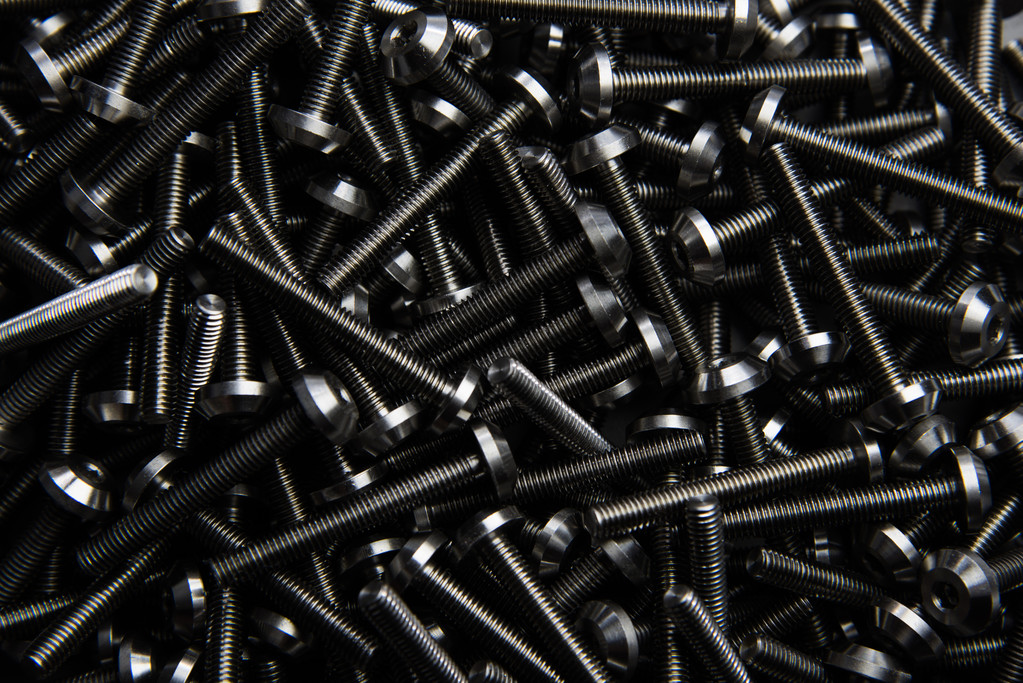
Fastener manufacturing typically covers incoming material inspection, material preparation, blank forming, heat treatment, surface treatment and packaging. Process selection depends on the fastener material, specification and production requirements. Material preparation may include spheroidizing annealing, pickling, phosphating, soaping and wire drawing. Forming may involve cold heading, hot forging, machining and thread forming. Heat-treatment operations include degreasing, dephosphating, cleaning, heating, quenching and tempering, followed by the specified surface treatment, rust protection and packaging.
Typical Manufacturing Process
Material Preparation
Blank and Thread Forming
Heat Treatment
Surface Treatment
Packaging and Delivery
INDUSTRIAL FLUID APPLICATIONS
Critical Fluid Applications for Consistent Fastener Quality
Industrial fluids connect forming, cleaning, heat treatment, surface finishing and final protection. Their lubrication, cleaning, cooling and protective performance influences production efficiency, dimensional stability and delivery quality.
Cold Heading and Thread Forming
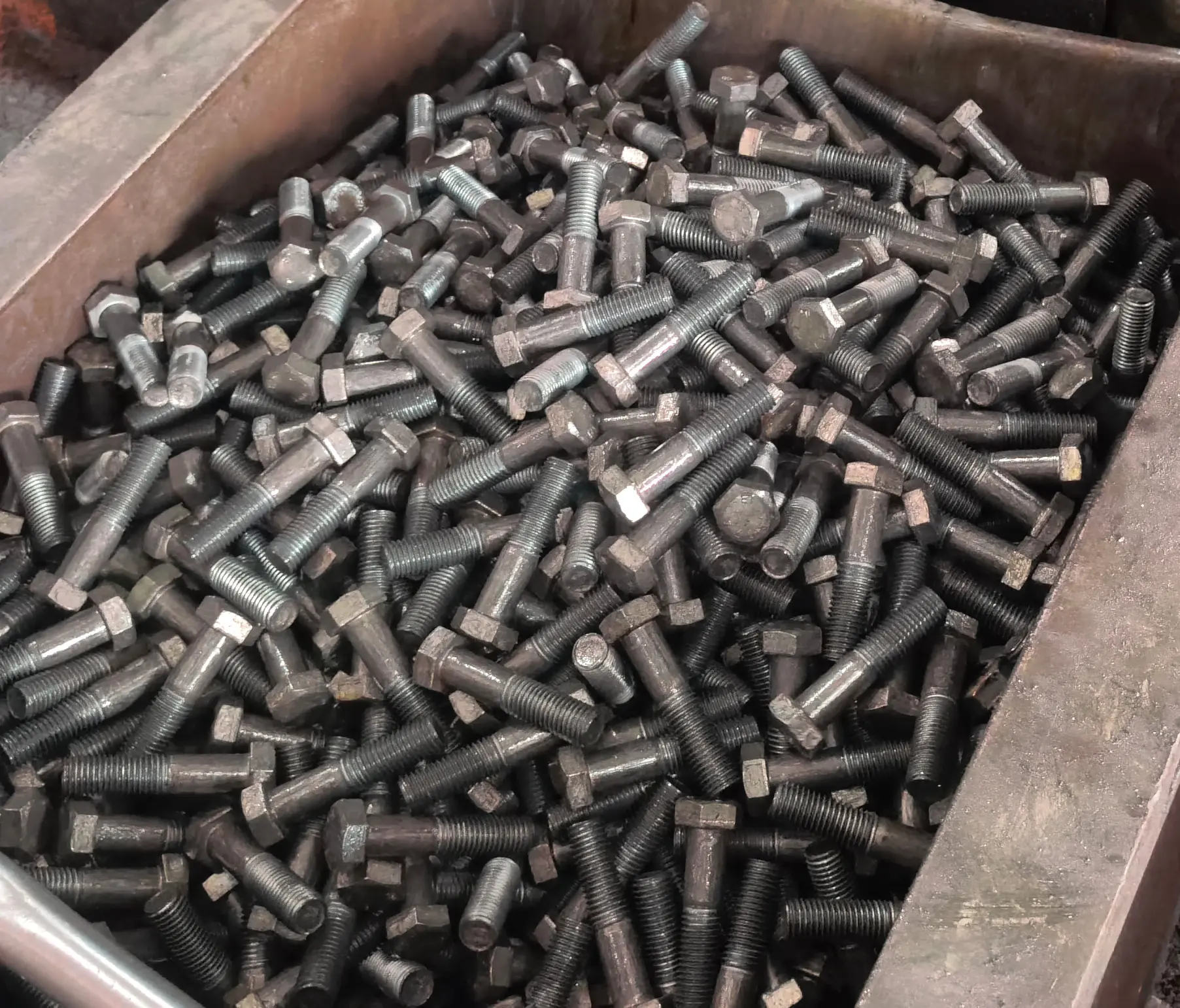
Cold heading, shank reduction, thread rolling and tapping involve high loads and continuous processing. Fluids must balance lubrication, extreme-pressure performance, foam control and workplace conditions to help limit forming defects and tool load.
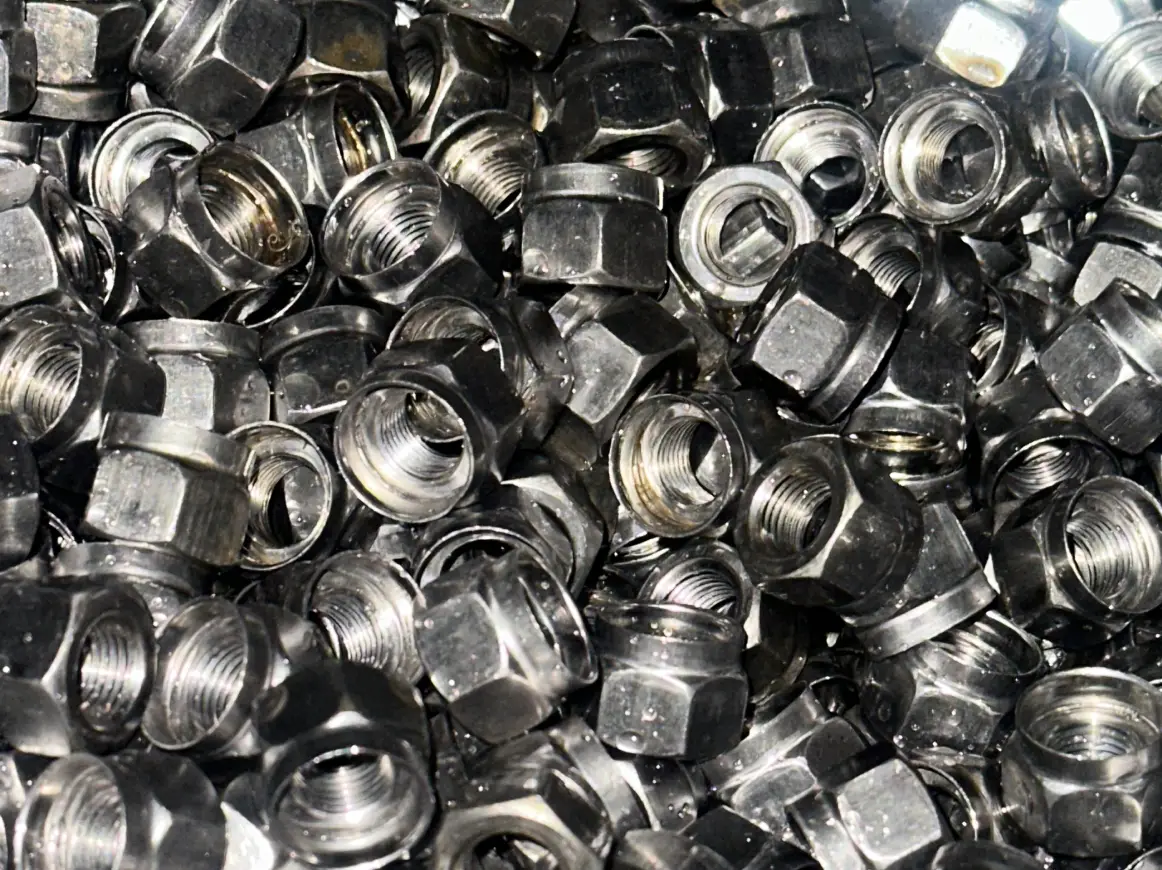
Dephosphating and Cleaning
Phosphate coatings, forming oils and other residues need to be controlled before heat treatment. After quenching, residual fluid and contaminants must be removed. Consistent dephosphating and cleaning prepare the surface for tempering, plating or blackening.
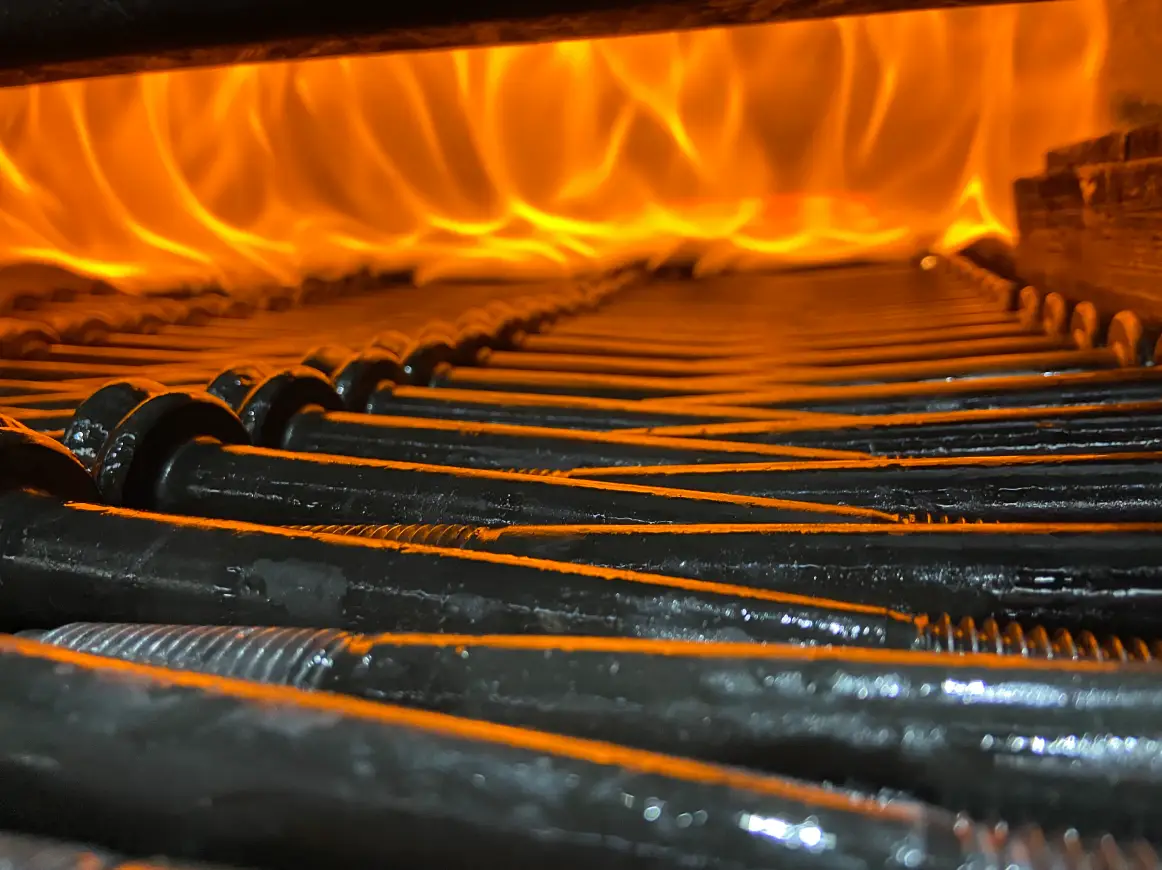
Quenching and Distortion Control
Mesh-belt and multi-purpose furnaces process fasteners in a range of sizes. Quenchant cooling stability, cleanability and operating condition influence hardness, microstructure, distortion of long components and subsequent surface finishing.
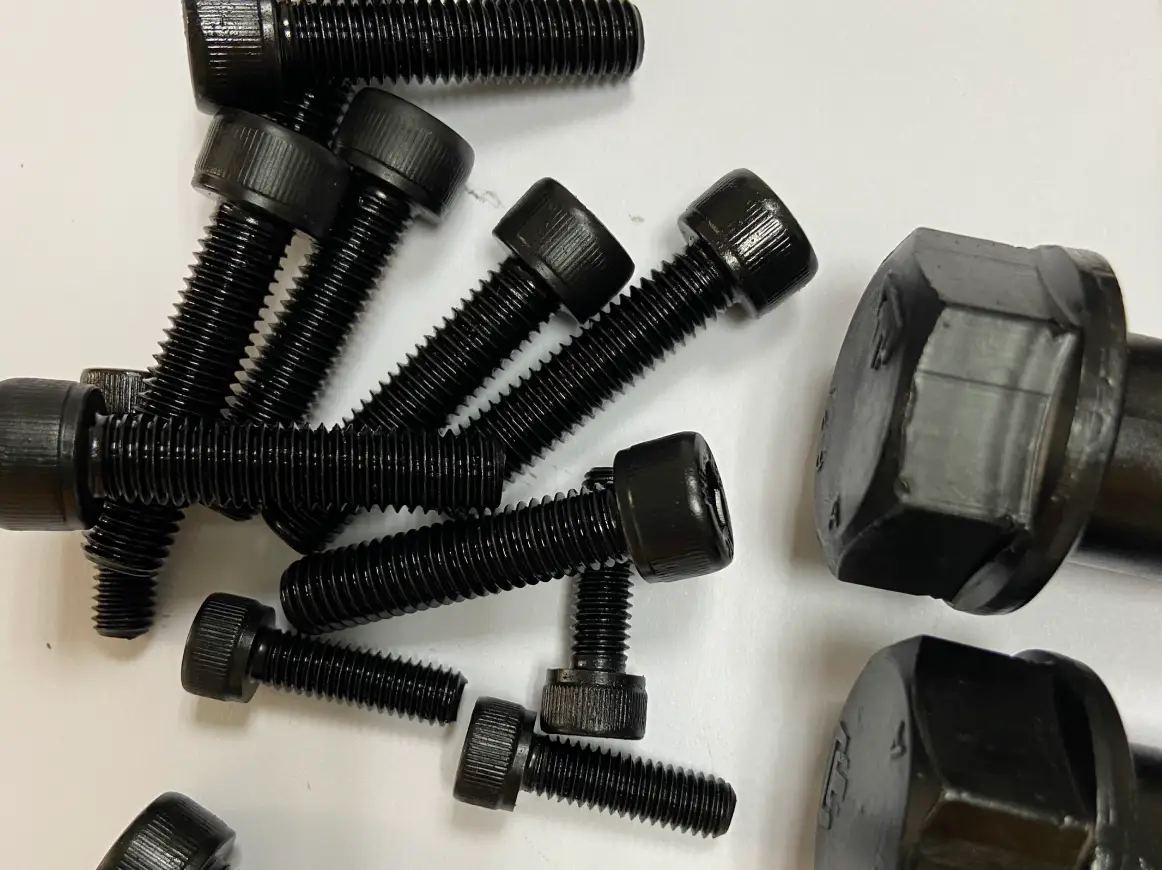
Residual-Heat Blackening and Rust Protection
Residual-heat blackening requires control of color uniformity, film adhesion and bath stability. Subsequent rust protection must be matched to the protective fluid, packaging method, storage environment and transportation period.
PRACTICAL APPLICATION RESULTS
From Cold Forming to Quench Distortion Control
Operating-condition analysis, fluid matching and application validation connect fluid selection with measurable production results. The following examples cover high-deformation forming and heat treatment of long fasteners.
Typical Applications
Shank Reduction, Cold Heading & Nut Forming
Thread Rolling & Tapping
Dephosphating & Pre-/Post-Heat-Treatment Cleaning
Oil Quenching
Water-Soluble Quenching
Residual-Heat Blackening
Inter-Process & Final Rust Protection
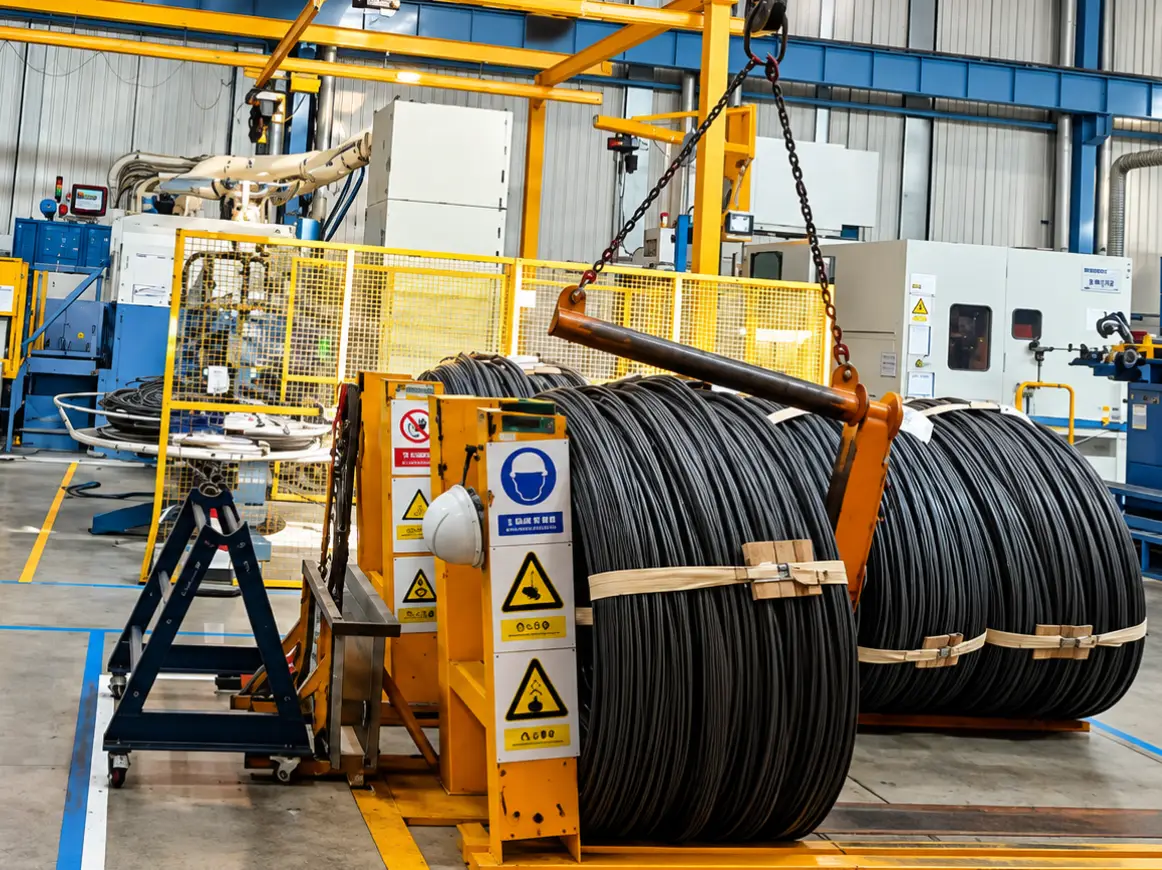
Forming Conditions
10B21 and SCM435 materials; sizes up to M22; shank reduction ratio of 65%–70%. Samples shown are illustrative.
APPLICATION RESULT 01
Cold Heading of High-Strength Fasteners
At an automotive high-strength fastener manufacturer, forming fluids were applied to cold heading of 10B21, SCM435 and related materials in sizes up to M22. The operation achieved a shank reduction ratio of 65%–70%, with reported production speeds of approximately 70 pieces per minute for M18 parts and 210 pieces per minute for M7 parts. The application met lubrication requirements for high-deformation forming and replaced an imported product.
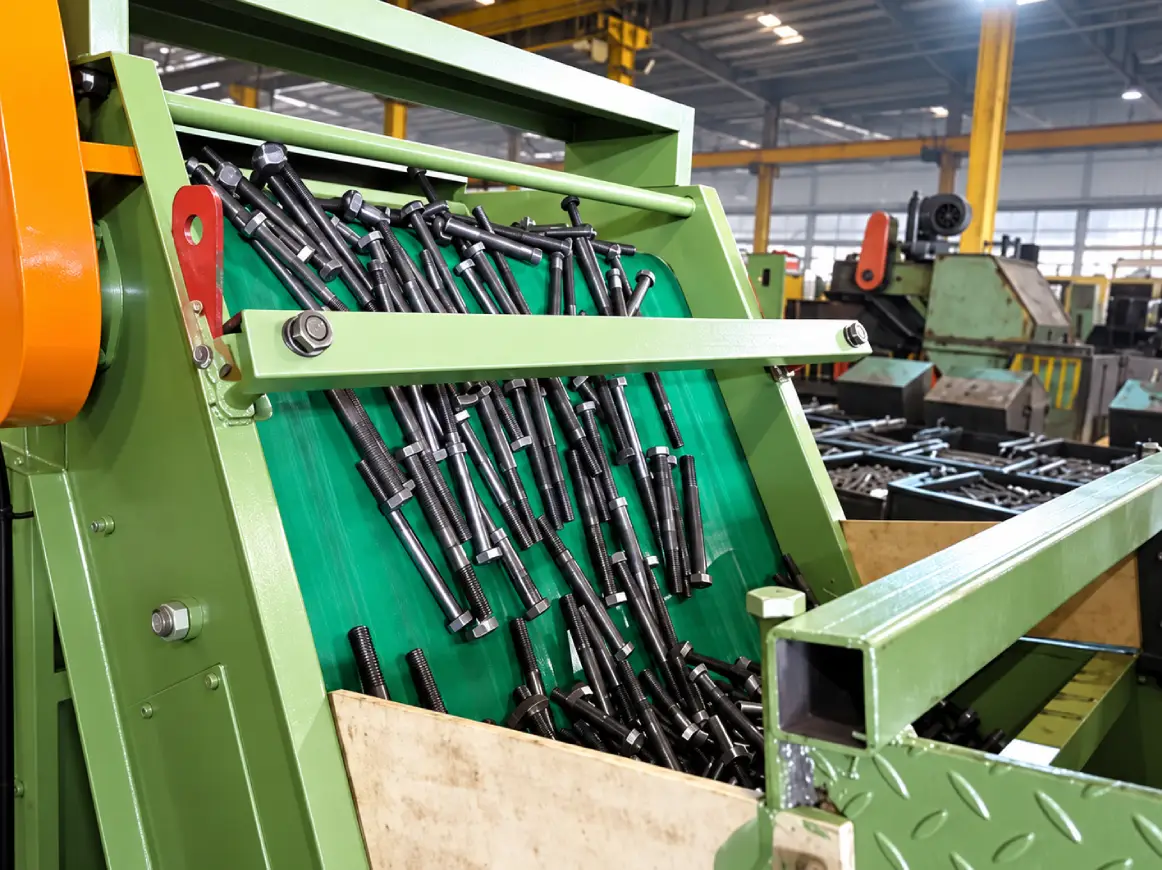
Component Reference
Representative long fasteners from the supplied industry brief.
APPLICATION RESULT 02
Quench Distortion Control for Long Fasteners
In an M16 × 240 long-fastener application, distortion was reported after the original imported quenchant had been in service for three months. After switching to KR6480 water-soluble quenchant, the reported fluid service period extended to 7–8 months. Die-gauge inspection recorded a 100% distortion pass rate, while tensile strength results ranged from 898 to 929 MPa under the reported application conditions.
RECOMMENDED PRODUCT SYSTEMS
Product Categories for Fastener Manufacturing
Explore fluids for fastener forming, heat treatment, cleaning and final protection. Product selection should reflect material grade, component size, deformation requirements, equipment and downstream surface treatment.
Induction Quenching fluid
View Product SystemFast and uniform cooling improves induction quenching quality and part performance consistency.
Fast & Bright Quenching Oil
View Product SystemCombines rapid cooling and bright finish for enhanced part surface quality.
Synthetic Cutting Fluid
View Product SystemSuitable for various machining applications, extending tool life while improving efficiency and surface quality.
Forming Oil
View Product SystemOutstanding extreme-pressure lubrication minimizes forming defects and improves surface quality.
Metal Cleaning
View Product SystemSuperior cleaning performance ensuring component cleanliness and reliability.Rust Prevention
View Product SystemLong-lasting corrosion protection reduces rust risks and preserves metal component performance during storage and use.
RELATED PROCESS SOLUTIONS
Process Solutions for Fastener Manufacturing
KERUN matches industrial fluids to fastener material, size, deformation requirements and equipment. Explore support for forming, heat treatment, cleaning, blackening and final corrosion protection.

Heat Treatment Fluid Solutions
Quenching fluids and application support for fastener hardness, microstructure and distortion control, including the requirements of long components.

Cutting and Forming Fluid Solutions
Fluids for cold heading, shank reduction and thread forming, selected to support lubrication under high loads and continuous production.

Surface Treatment and Protection Fluid Solutions
Dephosphating, cleaning, blackening and rust-protection support for consistent surface condition and protection during storage and transport.
INDUSTRY PARTNERS
Selected Customers and Partners
From automotive high-strength fasteners to construction-machinery connections, KERUN works with fastener manufacturers on product validation, on-site application and fluid management.




Start with Your Fastener and Process Conditions
Share your material grade, component size, equipment, process parameters and current production concerns. Our technical team can help assess fluid options for cold-heading fumes or foam, forming lubrication, dephosphating and cleaning residue, quench distortion, uneven blackening or finished-part corrosion.