 EN
EN
Induction hardening is a heat treatment process characterized by localized rapid heating followed by rapid cooling. It is widely applied to components such as gears, shafts, crankshafts, and molds.
In this process, the choice of cooling medium directly determines:
Whether the required hardness can be achieved
The risk of cracks and deformation
Surface quality and the amount of subsequent machining
Safety in production and environmental performance
01 Common Types of Induction Quenching Fluids
In industrial practice, the most commonly used water-based quenching fluids can be divided into three categories:
PAG Quenchants: Cooling rate slower than water but faster than oil; provide good thermal stability and uniform cooling, with adjustable cooling speed.
PVP Quenchants: Cooling behavior close to that of quenching oil; suitable for high-hardenability steels prone to cracking, though more expensive.
ACR Quenchants: Characterized by relatively slow cooling; not suitable for quenching conventional alloy steels.
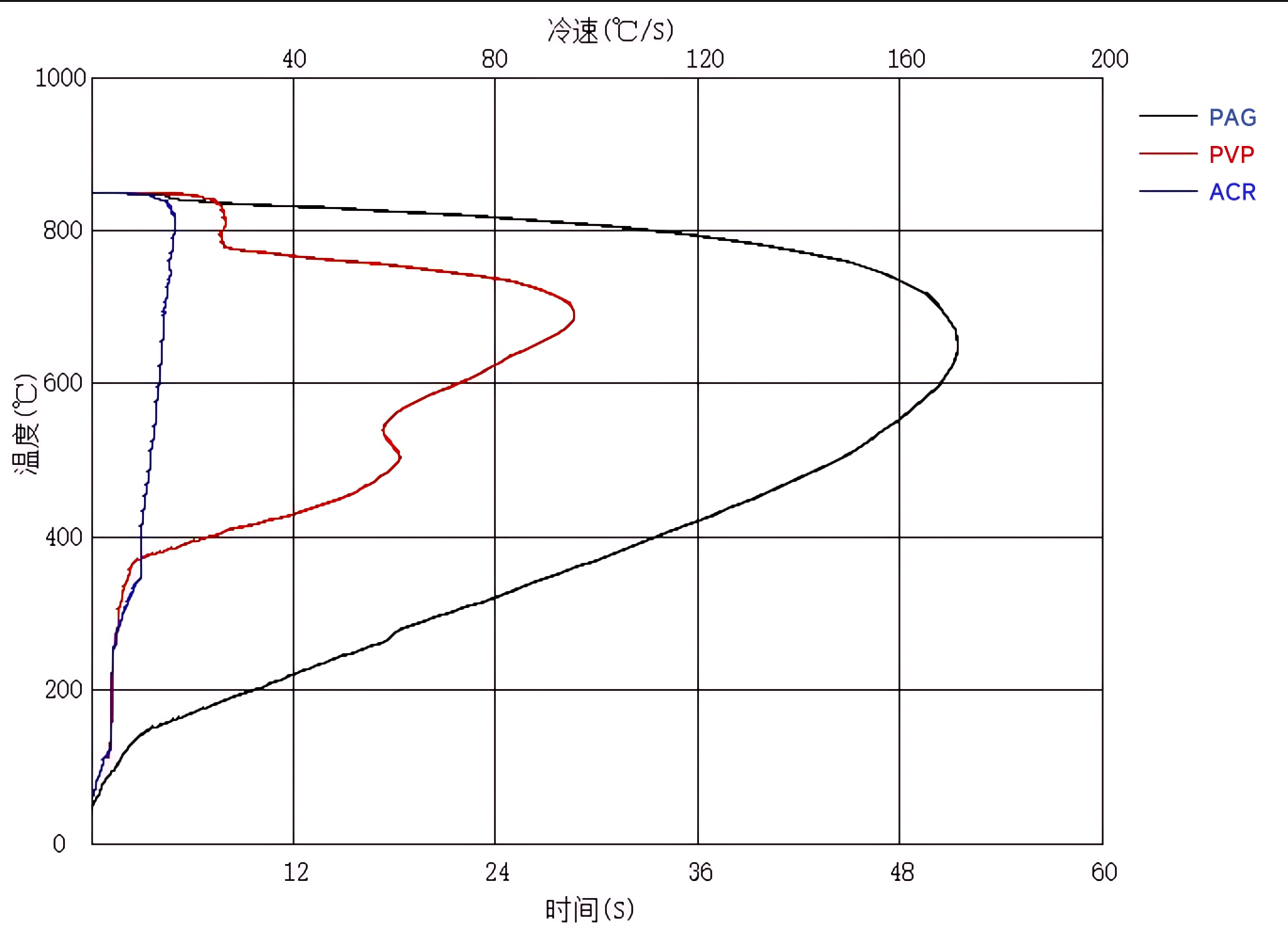
Figure | Cooling Rate Curves of Three Quenching Fluids
In the field of induction hardening, PAG quenchants have become the most widely used cooling medium, thanks to their balanced performance in cooling efficiency, safety, and environmental friendliness.
02 Core Advantages of PAG Quenchants
Taking KERUN KR6580 water-based quenchant as an example:
Controllable Cooling Rate: Cooling speed can be precisely adjusted by regulating concentration, bath temperature, and circulation intensity.
Low Foaming & Anti-Emulsification: A silicone-free defoaming system prevents foam from affecting spray cooling performance, while strong anti-emulsification additives ensure long-term stability.
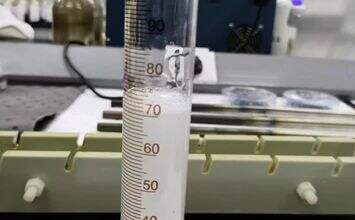
Foam Height: 70–74 ml Defoaming Time: 5.81 s
Figure | Excellent Foam Control Performance of KR6580
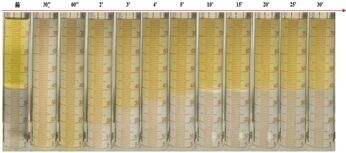
Oil–Water Separation Process at 30 °C, 30 minutes
Figure | Outstanding Anti-Emulsification Capability of KR6580
Strong Rust and Corrosion Protection
The organic anti-rust system provides strong adsorption and high alkalinity retention, effectively reducing workpiece corrosion and equipment rust.
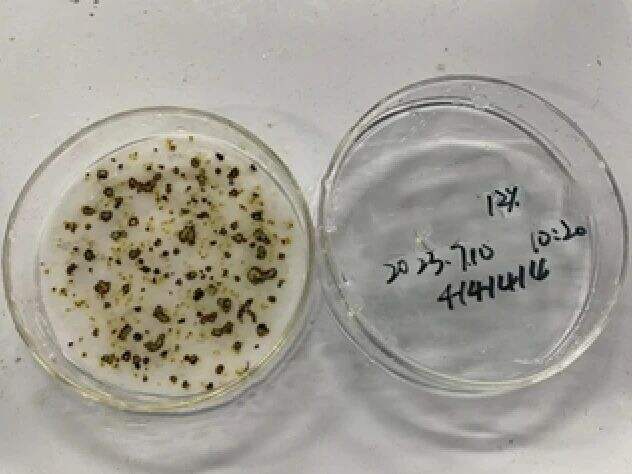
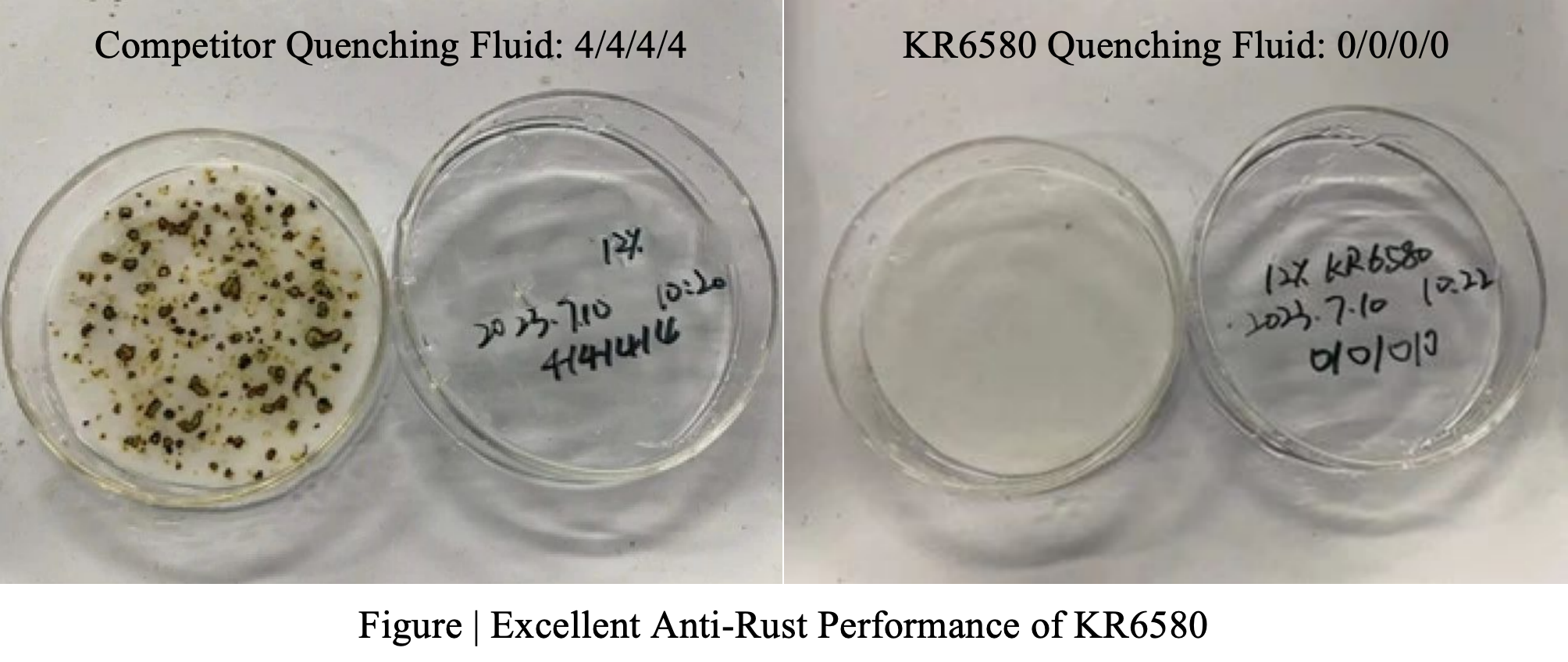
Competitor Quenching Fluid: 4/4/4/4
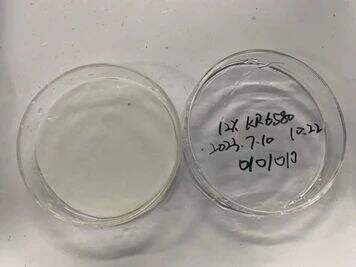
KR6580 Quenching Fluid: 0/0/0/0
Figure | Excellent Anti-Rust Performance of KR6580
Environmentally Friendly & Safe: Free of nitrites, non-flammable, and smoke-free, keeping workshops cleaner; formaldehyde-free formulation reduces the risk of allergic reactions.
Excellent Cost Efficiency: Long service life, low tank replacement frequency, easy to manage, and overall lower total cost.
03 Real Customer Case
A listed automotive parts manufacturer in Nanjing, producing constant velocity joint housings.
Original Issues
With conventional quenching fluids, excessive residue from prior processes led to severe emulsion problems, causing fluid failure in about one month.
Decline in rust prevention capability, resulting in severe corrosion every rainy season.
Optimization & Results
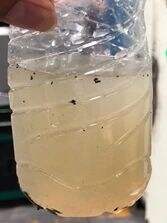
After switching to KR6580, oil–water separation significantly improved compared to the previous quenchant, with more thorough removal of tramp oil.
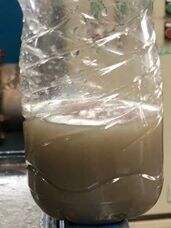
Original Quenching Fluid
KR6580
Figure | On-site Sampling Comparison After One Month of Quenching Fluid Use Under Identical Conditions
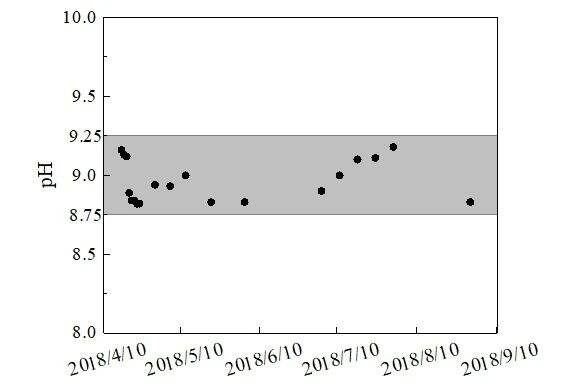
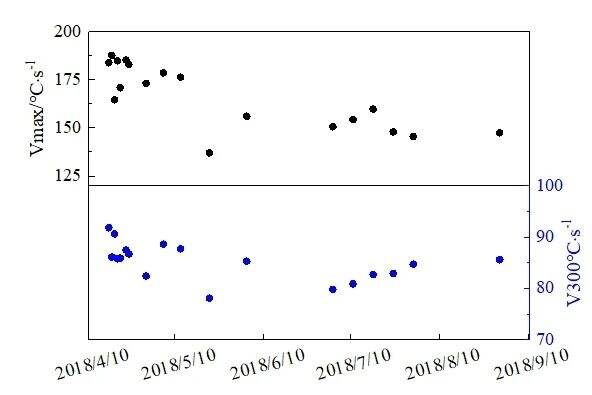
With sufficient oil skimming, no additional conditioning agents are required throughout the entire service period, while both pH value and cooling rate remain at stable levels.
pH Value Change Record
Cooling Rate Change Record
Figure | pH Value and Cooling Rate Variation Chart
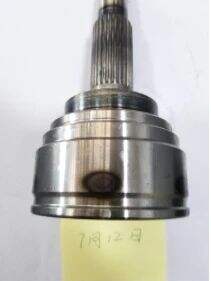
During normal production and storage, rust protection time exceeded 48 hours in the rainy season, with a significant reduction in equipment corrosion risk.
0h
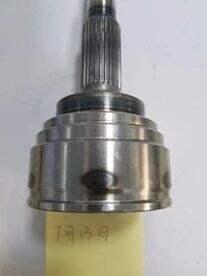
24h
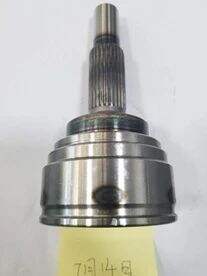
48h
Figure | 48-Hour Anti-Rust Performance on Workpieces
When selecting induction quenching fluids, it is essential to take into account factors such as steel grade, workpiece geometry, required hardening depth, and environmental considerations. Mastering cooling rate adjustment and daily maintenance practices ensures long-term stability of the quenchant, while also helping to reduce production costs.
At KERUN, we provide comprehensive technical support services, including on-site process guidance, regular monitoring of concentration and cooling performance, as well as maintenance and cycle optimization solutions — all to ensure stable and efficient use of your quenching fluids.
Choosing KERUN means adding an extra layer of assurance to both product quality and production safety.