
 EN
EN
Selecting the Ideal Surface Treatment for Different Product Needs
Choosing the right surface treatment is a crucial step in manufacturing processes that significantly impacts the durability, functionality, and appearance of a product. Surface treatment enhances adhesion, corrosion resistance, wear resistance, and sometimes aesthetic qualities. However, with numerous surface treatment methods available, how does one determine the best fit for a specific product type? Understanding the unique requirements of the material, the operating environment, and the final application is essential in making this decision. This article explores key factors and common surface treatment techniques to help guide the selection process.
Understanding Product Material and Surface Treatment Compatibility
Material Types and Surface Treatment Suitability
Different materials react uniquely to various surface treatment methods. Metals such as steel, aluminum, and titanium often undergo treatments like anodizing, phosphating, or chemical conversion coatings to improve corrosion resistance and coating adhesion. Plastics and composites, by contrast, may require plasma or corona treatments to activate the surface for better bonding without altering the base material’s properties.
The compatibility between surface treatment and substrate is fundamental. What kind of surface treatment works best for your product’s material? An in-depth knowledge of how treatments interact with different materials can prevent issues such as poor adhesion, coating failures, or surface damage.
Surface Condition and Preparation Needs
The initial condition of the product surface also affects the choice of surface treatment. Rough, oxidized, or contaminated surfaces typically need cleaning or abrasive blasting before further treatment. Some treatments inherently include surface preparation steps, while others rely on prior cleaning to be effective.
Assessing the current surface condition helps to select a surface treatment that not only enhances performance but is also efficient in terms of processing time and cost. For example, plasma treatment can clean and activate surfaces simultaneously, reducing the need for multiple steps.
Environmental and Performance Requirements Influencing Surface Treatment Choice
Operating Environment and Durability Expectations
The environment in which the product will operate determines the necessary level of protection. Products exposed to harsh environments—such as extreme temperatures, moisture, chemicals, or mechanical wear—require more robust surface treatments. Coatings applied after treatments like anodizing or chemical conversion coatings provide superior corrosion resistance and wear protection.
How durable does your product need to be? Understanding the environmental stresses enables selection of a surface treatment that ensures long-term reliability and reduces maintenance costs.
Functional and Aesthetic Considerations
Beyond protection, surface treatment can enhance a product’s appearance and functionality. Treatments like polishing, electroplating, or specialized coatings can improve reflectivity, texture, or color. Some surface treatments can also add properties like electrical conductivity or hydrophobicity.
Considering the product’s final application and user expectations helps to balance functional and aesthetic surface treatment requirements. A treatment that boosts adhesion and corrosion resistance while maintaining visual appeal often provides the best value.
Overview of Common Surface Treatment Techniques
Mechanical and Chemical Surface Treatments
Mechanical treatments include processes such as abrasive blasting and polishing, which modify surface roughness and remove contaminants. These methods improve coating adhesion by increasing surface area and creating uniform textures.
Chemical treatments, including phosphating and chromate conversion coatings, form protective layers that enhance corrosion resistance and bonding. These treatments are widely used in industries like automotive and aerospace for their proven effectiveness.
Advanced Surface Activation Methods
Plasma and corona discharge treatments are advanced techniques that alter surface chemistry at the molecular level. By increasing surface energy and introducing reactive groups, these treatments significantly improve adhesion without changing the substrate’s bulk properties.
These methods are particularly suitable for plastics and composites but are also used for metals to boost coating performance. Their environmental friendliness and efficiency make them attractive options in modern manufacturing.
Practical Guidance for Surface Treatment Selection
Balancing Cost, Efficiency, and Performance
While selecting the best surface treatment, it is important to consider not only performance but also cost and process efficiency. Some treatments may offer superior results but require higher investment or longer processing times. Conversely, simpler treatments may suffice for less demanding applications.
Analyzing the total cost of ownership, including treatment costs, maintenance, and product lifespan, helps to make informed decisions that optimize value.
Integration with Manufacturing Processes
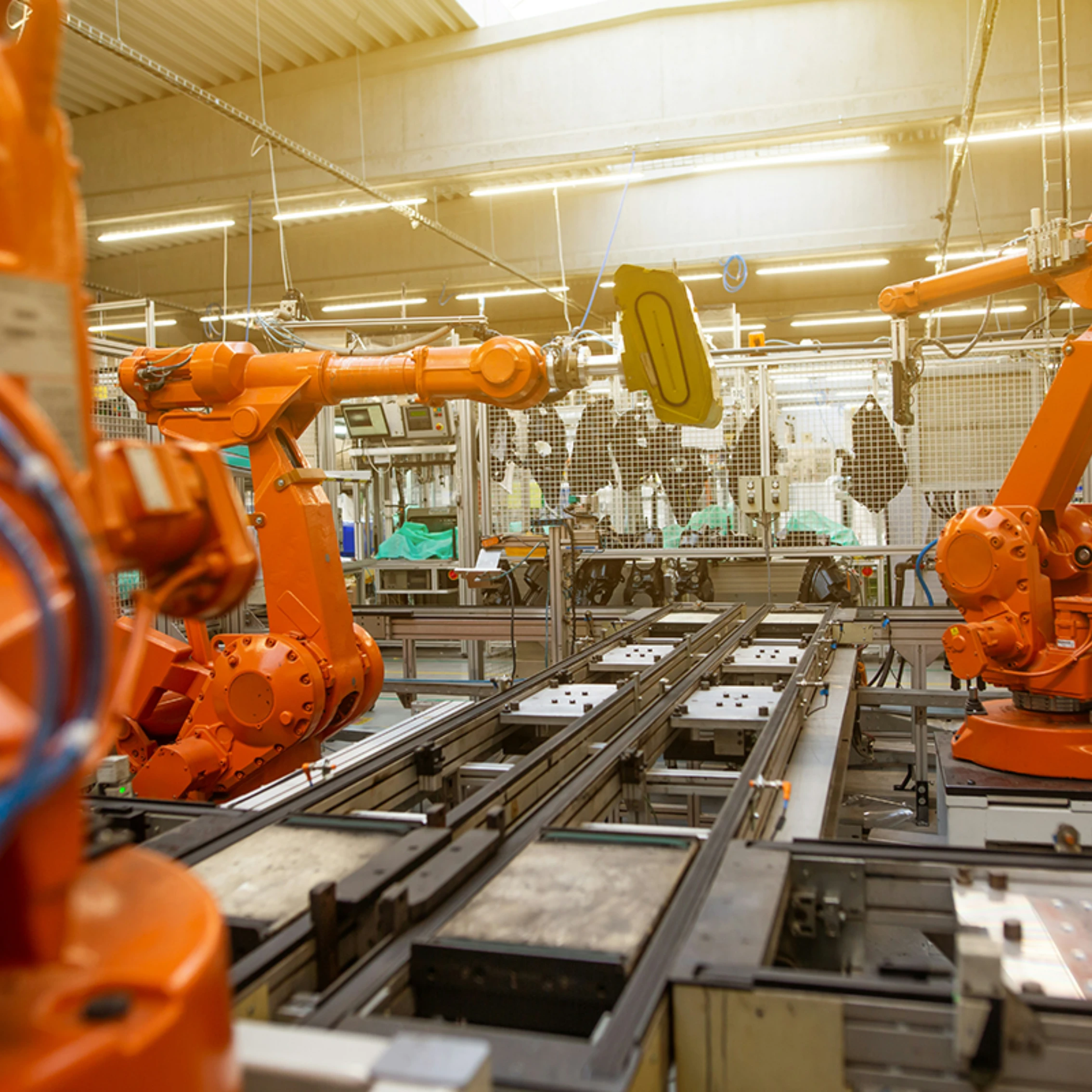
The chosen surface treatment should fit seamlessly into the existing manufacturing workflow. Automation and in-line treatments can improve consistency and reduce labor costs. Additionally, regulatory compliance and environmental impact should be factored into the decision.
Choosing a surface treatment provider with advanced capabilities and strong technical support can streamline implementation and ensure consistent product quality.
Frequently Asked Questions
What factors determine the best surface treatment for a product?
The product’s material, operating environment, functional and aesthetic requirements, and manufacturing constraints are key factors in selecting the appropriate surface treatment.
How do plasma and corona treatments differ from traditional surface treatments?
Plasma and corona treatments modify the surface chemistry at a molecular level, improving adhesion without altering the substrate’s physical properties. They are more environmentally friendly and efficient compared to some chemical treatments.
Can surface treatment improve both protection and appearance?
Yes, certain surface treatments enhance corrosion resistance and mechanical durability while also improving the product’s finish, texture, or color to meet aesthetic requirements.
How important is it to integrate surface treatment with manufacturing processes?
Integration ensures consistent quality, reduces costs, and improves throughput. Selecting treatments compatible with existing workflows and automation can significantly enhance manufacturing efficiency.
Table of Contents
- Selecting the Ideal Surface Treatment for Different Product Needs
- Understanding Product Material and Surface Treatment Compatibility
- Environmental and Performance Requirements Influencing Surface Treatment Choice
- Overview of Common Surface Treatment Techniques
- Practical Guidance for Surface Treatment Selection
- Frequently Asked Questions