
 EN
EN
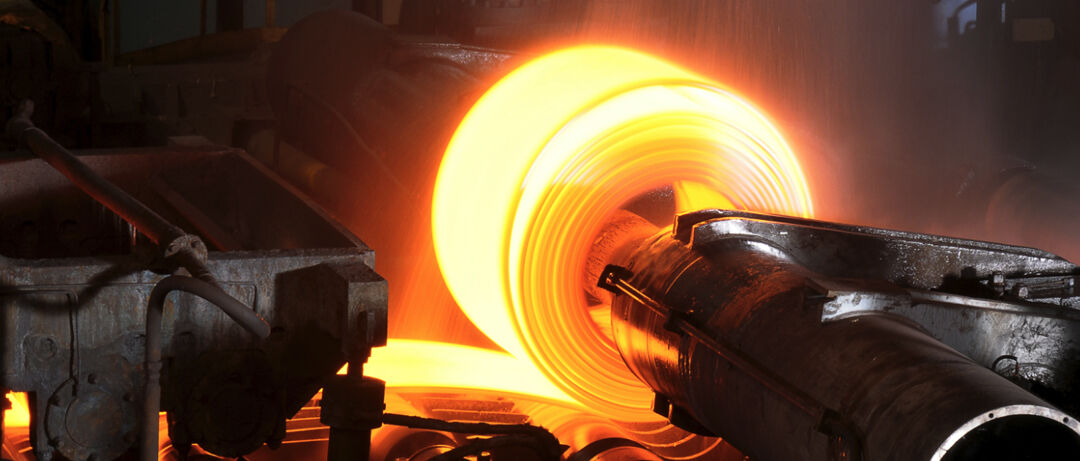
Metal rolling fluids play a critical role in modern manufacturing. They enhance efficiency, reduce wear, and ensure product quality. As industries evolve, adapting to new trends becomes essential. Innovations in fluid technology and manufacturing processes continue to shape the future of metal production, driving both performance improvements and environmental responsibility.
Key Market Drivers Shaping the Future of Metal Rolling Fluids
Sustainability and the Push for Eco-Friendly Solutions
The demand for sustainable practices has reshaped the metal manufacturing industry. Companies now prioritize eco-friendly solutions to reduce their environmental footprint. Metal rolling fluids play a significant role in this transition. Manufacturers are developing biodegradable and water-based fluids to replace traditional petroleum-based products. These innovations minimize harmful emissions and improve waste management.
Recycling and reusability have also gained traction. Advanced filtration systems allow fluids to be reused multiple times, reducing waste and lowering costs. This shift aligns with global sustainability goals and enhances the industry's reputation.
Technological Advancements in Manufacturing Processes
Technological progress has revolutionized how metal rolling fluids are utilized. Automation and precision engineering demand fluids that can perform under extreme conditions. High-performance fluids now offer superior lubrication, cooling, and corrosion resistance. These properties ensure consistent quality in high-speed manufacturing environments.
Smart manufacturing technologies, such as sensors and IoT devices, have further enhanced fluid performance. Real-time monitoring systems provide data on fluid conditions, enabling predictive maintenance. This reduces downtime and extends equipment life.
Innovations Defining the Future of Metal Rolling Fluids
Development of Green Technologies and Bio-Based Fluids
Green technologies have become a cornerstone of innovation in the metal rolling fluids industry. Manufacturers are increasingly turning to bio-based fluids derived from renewable resources like vegetable oils and esters. These fluids offer excellent lubrication and cooling properties while significantly reducing environmental impact. Unlike traditional petroleum-based products, bio-based fluids decompose naturally, minimizing waste and pollution.
Research into hybrid formulations has further advanced this field. Combining bio-based ingredients with synthetic additives enhances performance without compromising sustainability. This approach ensures that the future of metal rolling fluids aligns with global efforts to combat climate change.
Advancements in Synthetic Fluids for Superior Performance
Synthetic fluids have emerged as a game-changer in high-performance manufacturing. These fluids, engineered at the molecular level, deliver unmatched thermal stability and oxidation resistance. Their ability to maintain viscosity under extreme temperatures makes them ideal for demanding applications.
Industries requiring precision, such as aerospace and automotive, benefit greatly from synthetic fluids. These fluids reduce friction and wear, extending the lifespan of machinery. Additionally, their longer service life lowers operational costs by reducing the frequency of fluid replacement. As industries push for higher efficiency, synthetic fluids will play a pivotal role in shaping the future of metal manufacturing.
Challenges Impacting the Future of Metal Rolling Fluids
Addressing Environmental Concerns and Waste Management
Environmental challenges remain a significant hurdle for the metal rolling fluids industry. Improper disposal of used fluids contributes to soil and water contamination. Manufacturers face increasing pressure to adopt sustainable waste management practices. Recycling systems and advanced filtration technologies offer solutions by extending fluid life and reducing waste.
Governments and environmental agencies demand stricter compliance with disposal regulations. Companies must invest in eco-friendly formulations and efficient recycling methods to meet these standards. Failure to address these concerns risks penalties and reputational damage.
Mitigating Health and Safety Risks for Workers
Worker safety is a critical concern in metal manufacturing. Prolonged exposure to traditional rolling fluids can cause respiratory issues and skin irritation. Volatile organic compounds (VOCs) in some fluids pose additional health risks.
To mitigate these dangers, manufacturers are developing low-toxicity and low-odor alternatives. Improved ventilation systems and protective equipment also enhance workplace safety. Training programs educate workers on proper handling and disposal techniques.
Future Opportunities in Metal Rolling Fluids
Integration with Smart Manufacturing and IoT Technologies
The integration of smart manufacturing and IoT technologies presents significant opportunities for the metal rolling fluids industry. IoT-enabled sensors embedded in machinery can monitor fluid properties such as viscosity, temperature, and contamination levels in real time. This data allows manufacturers to optimize fluid performance and reduce waste.
Smart systems also enable predictive analytics, identifying potential issues before they escalate. For example, sensors can detect early signs of fluid degradation, prompting timely replacements. This approach minimizes downtime and extends equipment life.
Customized Solutions for Diverse Industrial Applications
Industries increasingly demand tailored solutions to meet specific operational needs. Metal rolling fluids must adapt to diverse applications, from high-speed automotive production to precision aerospace manufacturing. Customized formulations address unique challenges, such as extreme temperatures or specific metal types.
Manufacturers now collaborate closely with clients to develop bespoke solutions. This approach ensures optimal performance and compatibility with specialized equipment. For instance, fluids designed for aluminum rolling may differ significantly from those used for steel. Customization enhances efficiency and product quality, making it a vital opportunity for the industry.
The metal rolling fluids industry continues to evolve through innovation and adaptation. Key trends like sustainability, advanced technologies, and regulatory compliance drive progress. Innovations in bio-based fluids, synthetic formulations, and smart systems redefine performance standards. Addressing challenges such as environmental concerns and worker safety ensures long-term viability. Stakeholders must embrace sustainable practices to remain competitive in the future of metal manufacturing.