
 EN
EN
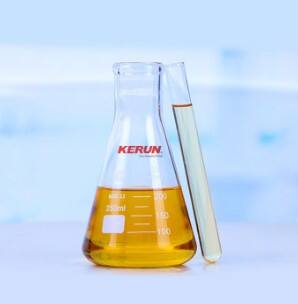
Role of Metalworking Fluids in Sustainable Machining
Core Functions in Machining Processes
Metalworking fluids are crucial in machining processes, providing lubrication, cooling, and aiding in chip removal. These functions significantly enhance machining quality and efficiency. By reducing friction and wear on tools, they not only extend tool life but also contribute to lower energy consumption—an essential factor in sustainable manufacturing. According to research, effective fluid use can lead to material waste reduction, aligning with the goals of sustainable manufacturing. This alignment is crucial as industries aim to reduce their environmental impact while maintaining high production standards.
Balancing Performance with Sustainability
Achieving a balance between performance and sustainability is a key challenge in metalworking fluid formulation. Modern formulations are required not just to meet stringent performance benchmarks but also to minimize ecological impact. Manufacturers are increasingly opting for biodegradable options to uphold high performance standards while reducing environmental footprints. Recent studies have shown that sustainable metalworking fluids can result in decreased carbon emissions associated with machining processes. This approach not only ensures compliance with environmental regulations but also helps in promoting energy efficiency and lean manufacturing practices, which are integral to industrial manufacturing.
Environmental Impact Across the Product Lifecycle
Extraction and Manufacturing of Raw Materials
The sourcing of raw materials for metalworking fluids often involves significant environmental impact, necessitating careful evaluation of supplier practices. Sustainable extraction practices are crucial to minimizing land disruption and conserving water resources. Businesses are encouraged to adopt eco-friendly sourcing methods to mitigate these impacts. According to authoritative documents, approximately 30% of the total environmental impact associated with metalworking fluids arises from the raw material sourcing stage. This highlights the critical importance of responsible procurement within industrial manufacturing processes, where minimizing environmental impact is increasingly becoming a priority.
Transportation and Distribution Considerations
Transportation and distribution of metalworking fluids contribute to their overall carbon footprint, making optimization of these processes a key component of sustainability. Implementing localized sourcing and reducing distances through strategic distribution can significantly cut down on emissions and costs. This approach aligns with energy efficiency goals by fostering a sustainable product lifecycle. Evidence supports that logistics improvements can reduce transportation-related emissions by up to 15%, demonstrating the tangible environmental impact of streamlined distribution processes.
Operational Energy Consumption
The operational phases of metalworking fluids, including their use and disposal, play a pivotal role in determining their total energy consumption. By diligently monitoring and optimizing energy use throughout these operational stages, manufacturers can effectively reduce both costs and environmental impacts. Energy efficiency improvements can yield substantial benefits, as statistics suggest operational enhancements could lead to a 20% reduction in energy consumption associated with metalworking fluid applications. This approach not only supports sustainability but also aligns with broader goals of lean manufacturing.
End-of-Life Disposal Challenges
The disposal of spent metalworking fluids presents significant environmental challenges, highlighting the necessity for proper disposal protocols. Improper disposal can lead to severe soil and water contamination, underscoring the need for effective waste management practices within the manufacturing sector. Regulatory bodies estimate that non-compliance with proper disposal can incur fines and cleanup costs amounting to millions annually for companies. Hence, adhering to responsible disposal practices is not only environmentally prudent but also economically necessary for industrial businesses.
Advancements in Eco-Friendly Fluid Formulations
Vegetable Oil-Based Alternatives
Vegetable oil-based metalworking fluids are increasingly favored for their biodegradable nature, which effectively supports sustainable manufacturing practices. Not only do these alternatives offer effective lubrication, but they also reduce dependency on petroleum-based products, thus lowering the environmental impact. Importantly, studies have shown that these formulations can perform on par with, or even surpass, traditional fluids. This makes them a viable option for companies aiming to maintain high productivity while contributing to a sustainable agenda.
Water-Soluble Cutting Fluids
Water-soluble cutting fluids are being adopted more frequently for their excellent cooling properties and reduced volatility compared to traditional oil-based products. These fluids not only simplify the maintenance of the machining environment but also help lessen costs associated with emissions and disposal processes. Research has demonstrated that the use of water-soluble variants can lead to significant reductions in both energy costs and tool wear, promoting a more sustainable approach to metalworking operations.
Nanofluid Technology Innovations
Nanofluid technology offers groundbreaking advancements by integrating nanoparticles into conventional metalworking fluids, which enhances heat transfer and diminishes friction during machining processes. This innovation allows for increased machining speeds and extends tool life, which aligns with sustainable manufacturing practices. Preliminary research suggests that implementing nanofluid technology could result in energy savings of 10-20% within industrial settings, reflecting a substantial step forward in achieving energy efficiency while supporting sustainable products.
Regulatory Compliance and Sustainable Manufacturing Certifications
ISO 14001 and Environmental Management Systems
ISO 14001 certification is widely regarded as an essential framework for organizations seeking to enhance their environmental management systems. Particularly beneficial in the manufacturing sector, this certification aids companies in implementing more efficient processes. Certified companies often reduce waste and conserve energy, aligning with sustainable practices. It is estimated that those adhering to ISO 14001 standards see an average reduction of 25% in hazardous waste generation. By adopting these standards, manufacturers can significantly minimize their environmental impact while maintaining compliance with global environmental expectations.
Hazardous Waste Handling Protocols
Effective hazardous waste management is crucial in mitigating the negative environmental impacts associated with metalworking fluids. Implementing strict handling protocols ensures that waste is managed responsibly from cradle to grave, minimizing the risk of contamination. These measures not only guarantee compliance with regulatory requirements but also contribute to significant environmental benefits. According to waste management authorities, adherence to these protocols can decrease environmental incidents by up to 40%, making them an integral part of sustainable industrial manufacturing practices.
Aligning with Global Green Manufacturing Standards
Aligning with global green manufacturing standards substantiates a manufacturer's commitment to sustainability, which is increasingly valued in today’s eco-conscious market. These standards are designed to foster best practices in resource utilization, waste reduction, and chemical safety. Businesses adopting these guidelines often gain a competitive edge, as demonstrated by reports indicating a 30% increase in customer approval ratings. By adhering to these comprehensive standards, manufacturers not only improve their environmental impact but also appeal to clients who prioritize sustainable products, thus enhancing their market positioning.
Energy Efficiency and Lean Manufacturing Integration
Optimizing Fluid Longevity for Reduced Consumption
Enhancing the longevity of metalworking fluids is a proactive approach to reducing consumption and minimizing waste. By implementing effective management practices, companies can significantly decrease the frequency of fluid replacements, leading to notable cost savings and environmental benefits. Installing monitoring systems to assess fluid conditions regularly can further optimize fluid use, enabling adjustments before issues arise. As noted by industry experts, such optimizations could potentially reduce fluid turnover rates by up to 30%, contributing positively to energy efficiency in manufacturing operations.
Closed-Loop Recycling Systems in Practice
Closed-loop recycling systems offer a robust solution to improve sustainability in metalworking environments. These systems reclaim and repurpose used fluids, minimizing waste and maximizing resource efficiency, thus aligning with economic and environmental objectives. The practice of reusing metalworking fluids not only reduces the need for new fluid but also cuts down on disposal costs and environmental impact. Case studies have shown that implementing closed-loop systems can lead to waste reduction of up to 50%, making it a compelling strategy for manufacturers aiming to reduce their environmental footprint and promote sustainable products.
Synergies Between Lean Practices and Fluid Management
Integrating lean manufacturing principles with fluid management offers synergies that can significantly enhance sustainability efforts. Lean practices, such as value stream mapping, facilitate waste identification and elimination in fluid usage, ensuring that resources are used efficiently. By harmonizing lean principles with effective fluid management, companies can enhance their operational efficiency. Industrial experts suggest that this integration can lead to cost savings and improved production metrics, with efficiency gains potentially exceeding 20%. Thus, the collaboration between lean manufacturing and fluid management is a decisive step toward achieving energy efficiency and sustainable industrial manufacturing.
FAQ
What are the main functions of metalworking fluids in machining processes?
Metalworking fluids provide lubrication, cooling, and aid in chip removal, enhancing machining quality and efficiency while reducing tool friction, wear, and energy consumption.
How can metalworking fluids contribute to sustainable manufacturing?
They contribute by reducing tool wear and energy consumption, which lowers greenhouse gas emissions and aligns with sustainable manufacturing practices.
What are some eco-friendly alternatives to traditional metalworking fluids?
Vegetable oil-based and water-soluble cutting fluids as well as nanofluid technology are eco-friendly alternatives that offer biodegradable and enhanced performance options.
Why is proper disposal of metalworking fluids important?
Improper disposal can lead to soil and water contamination, incurring cleanup costs and fines. Proper disposal is necessary to avoid environmental harm and adhere to regulations.
Table of Contents
-
Role of Metalworking Fluids in Sustainable Machining
- Core Functions in Machining Processes
- Balancing Performance with Sustainability
- Environmental Impact Across the Product Lifecycle
- Extraction and Manufacturing of Raw Materials
- Transportation and Distribution Considerations
- Operational Energy Consumption
- End-of-Life Disposal Challenges
- Advancements in Eco-Friendly Fluid Formulations
- Vegetable Oil-Based Alternatives
- Water-Soluble Cutting Fluids
- Nanofluid Technology Innovations
- Regulatory Compliance and Sustainable Manufacturing Certifications
- ISO 14001 and Environmental Management Systems
- Hazardous Waste Handling Protocols
- Aligning with Global Green Manufacturing Standards
- Energy Efficiency and Lean Manufacturing Integration
- Optimizing Fluid Longevity for Reduced Consumption
- Closed-Loop Recycling Systems in Practice
- Synergies Between Lean Practices and Fluid Management
- FAQ