
 EN
EN
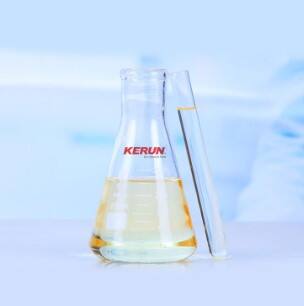
Understanding Fast Quenching Oil KR118 and Its Industrial Relevance
What Makes KR118 a Superior Quenching Medium?
Fast Quenching Oil KR118 distinguishes itself as a superior quenching medium through its unique formulation. It provides enhanced cooling rates compared to traditional oil options, ensuring that metals reach optimal hardness quicker. This efficiency is crucial in industrial settings where time and precision are of the essence. Further, KR118's chemical stability ensures consistent performance and minimizes the risk of thermal breakdown during the quenching process. This is particularly important in preventing inconsistencies in finished metal products. Also, the integration of advanced additives bolsters the oil’s lubricity and reduces friction, which promotes a longer service life for both the oil itself and the tools used in the process. These components together make KR118 an invaluable asset in modern metalworking and other metal treatment applications.
Key Applications in Modern Metalworking Processes
KR118 plays a pivotal role in contemporary metalworking processes. Its high-performance attributes make it indispensable in industries demanding precision, such as aerospace. Within this sector, components require meticulous crafting to guarantee functionality and safety, and KR118 is integral to achieving such standards. Moreover, the oil is ideal for hardening steel components, imparting necessary toughness and wear resistance required in demanding conditions. This oil’s versatility extends to automotive parts manufacturing, where consistency and high-volume production are requisite. In these settings, KR118’s ability to maintain structural integrity and enhance wear resistance contributes significantly to the quality and longevity of automotive components. Overall, KR118 exemplifies advanced solutions in meeting the complex demands of modern industrial applications.
Technical Specifications of Fast Quenching Oil KR118
Viscosity and Thermal Stability
KR118 is engineered with an optimal viscosity range that supports efficient heat transfer during the quenching process. This property is crucial because it allows the oil to maintain fluid movement and cover metal surfaces effectively, speeding up the dissipation of heat. Additionally, KR118 exhibits exceptional thermal stability, resisting degradation even when subjected to elevated temperatures, which is essential in demanding applications like aerospace and automotive manufacturing. This stability ensures that its operational efficiency remains consistent, even in stressful thermal conditions. Testing has revealed that KR118 maintains a stable viscosity over time, providing predictable cooling behavior. Such reliability in thermal management is vital for achieving precise metallurgical properties in treated components.
Compatibility with Steel, Aluminum, and Cast Iron
Fast Quenching Oil KR118 is expertly formulated to be compatible with a broad spectrum of materials, including various grades of steel and aluminum alloys. Its chemical properties are designed to prevent reactions that could compromise material integrity, particularly in aluminum applications known for their susceptibility to chemical interactions. This makes KR118 a safe choice for sensitive environments where maintaining material properties is critical. Moreover, when used with cast iron, KR118 ensures minimal surface oxidation while preserving the finish quality. This feature makes it indispensable in metalworking processes, where maintaining the aesthetic and structural integrity of components like engine blocks and heavy machinery parts is pivotal.
Core Benefits of Fast Quenching Oil KR118
Enhanced Hardness and Wear Resistance
Fast Quenching Oil KR118 is renowned for its ability to enhance the hardness of treated materials. This attribute significantly boosts the durability in environments prone to wear. Users have reported noticeable improvements in the longevity and resilience of components quenched with KR118, an observation supported by metallurgical studies. These studies indicate that components treated with KR118 outlast those processed with conventional oils, thanks to improved hardness and wear resistance.
Reduced Distortion in Complex Components
One of the standout features of KR118 is its capacity to minimize distortion in intricate components. The controlled cooling rates afforded by this oil reduce the incidence of warping and maintain dimensional consistency in complex geometries. Case studies have shown that manufacturers utilizing KR118 experience superior quality yields, with fewer instances of dimensional inconsistency, compared to more aggressive quenching mediums. This makes KR118 particularly beneficial for complex manufacturing processes.
Uniform Microstructure Development
KR118 is instrumental in promoting uniform microstructural characteristics, which are crucial for achieving consistent mechanical properties across various components. Research findings reveal that the use of KR118 facilitates the development of a uniform microstructure, thereby enhancing both toughness and strength. This uniformity is pivotal for industries aiming to maintain high standards of mechanical performance in their products, ensuring reliability and resilience in demanding applications.
Crack Prevention for Sensitive Alloys
The risk of crack formation in high-alloy steels and intricate designs during the cooling phase is substantially minimized with the use of KR118. This oil provides a protective influence against structural failures, which is critical for maintaining the integrity of sensitive alloys. Experts recommend KR118 for applications where structural integrity is of utmost importance, as it effectively prevents cracking and supports the longevity of the material in challenging conditions.
Long-Term Cost Efficiency in Production
From a cost-efficiency perspective, investing in KR118 proves advantageous by reducing maintenance expenses and decreasing downtime. This results from fewer tool failures and defects in the production line. By calculating the total cost savings over time, it becomes evident that the initial investment in KR118 is offset by the significant improvements in productivity and the simultaneous reduction in material waste. Thus, KR118 not only enhances product quality but also bolsters financial savings in the long run.
KR118 vs. Traditional Quenching Methods
Performance Comparison with Water Quenching
KR118 provides significant advantages over traditional water quenching methods. In terms of cooling rates, KR118 achieves a superior balance by reducing the risk of thermal shock often associated with water quenching. This control in cooling ensures that components treated with KR118 experience fewer incidents of cracking, a common issue with water-based processes. Data consistently illustrates that components cooled using KR118 demonstrate reduced cracking, showcasing its effectiveness in preserving the integrity of materials. The enhanced cooling rates of KR118 allow it to deliver consistent performance while safeguarding against potential thermal damage, ensuring optimal results for complex components.
Advantages Over Annealing and MQL Techniques
Compared to annealing, KR118 offers immediate hardness, negating the lengthy processing times typical of heat treatment methodologies. Annealing is renowned for its time-consuming heating and cooling cycles. Conversely, KR118 streamlines this by employing full immersion techniques that facilitate uniform thermal profiles. Furthermore, when compared to Minimum Quantity Lubrication (MQL), KR118 excels in heat dissipation, achieving more consistent temperature regulation across the material surface. This feature allows KR118 to address the limitations of MQL, providing comprehensive heat management solutions that enhance the final mechanical properties of treated components.
Environmental Impact and Safety Considerations
KR118 is specifically formulated with environmentally friendly additives that comply with regulatory standards, making it a preferred choice for safer industrial practices. The formulation aligns with both environmental and safety regulations, supporting responsible manufacturing processes. Additionally, safety data on KR118 indicates low toxicity levels, contributing to a safer work environment for operators. The low toxicity ensures that the product remains safe not only during handling and application but also in terms of any emissions or residues that might arise during use, thereby prioritizing operator safety and ecological responsibility.
Optimizing User Experience with KR118
Streamlined Heat Treatment Workflows
KR118 streamlines heat treatment workflows by ensuring a consistent process integration. Its chemical attributes facilitate smoother operations, thereby enhancing operational efficiency. Operators appreciate the simplified process adjustments required when working with KR118, as it promotes user satisfaction by reducing the learning curve. This seamless integration into existing systems not only minimizes downtime but also boosts productivity—a win-win for both operators and management.
Case Studies: Aerospace and Automotive Success Stories
In the aerospace sector, leading manufacturers have experienced improved yield rates and significant reductions in scrap rates since incorporating KR118 into their processes. This advancement underscores KR118's capability to meet the stringent requirements of precision industries. Similarly, automotive suppliers report substantial enhancements in component performance, with KR118 contributing to higher customer satisfaction levels. These success stories illuminate KR118's role in boosting efficiency and performance across these competitive fields.
Integration with Hydraulic Systems and Lubricants
KR118's formulation allows for seamless compatibility with hydraulic oils, thereby elevating machine performance and productivity. By integrating KR118 into existing lubricant frameworks, industries can streamline processes, improving overall efficiency. This compatibility ensures that KR118 not only supports but actively enhances operational fluidity, providing users with a robust solution to maintain productivity and reduce wear and tear on machinery.
Implementing KR118 in Diverse Industrial Scenarios
Precision Tool Manufacturing Applications
KR118 is a game-changer in precision tool manufacturing, where achieving exact dimensions and material properties is crucial for success. This innovative oil helps enhance the longevity of equipment and improves part performance even in the most rigorous tooling environments. By incorporating KR118, manufacturers can ensure that their tools achieve precise dimensions with minimal deviation. Additionally, its superior properties support optimal cutting speeds and feed rates in machining processes, ultimately enhancing production efficiency and reducing downtime.
High-Volume Production Line Adaptations
In high-volume production lines, KR118 brings unprecedented advantages by supporting automation with its predictable performance. This minimizes the necessity for frequent manual adjustments, ensuring smoother operations. The use of KR118 can elevate throughput in automated environments by allowing machines to run more efficiently, reducing pause times for maintenance. As a result, production cycles are accelerated, leading to significant cost savings while maintaining high-quality outputs. Firms leveraging KR118 in their production line workflows can expect faster turnaround times and enhanced profitability.
Custom Solutions for Specialty Metalworking Fluids
KR118 offers the flexibility to be tailored for unique metalworking processes, meeting the specific performance needs of each application. The customization of KR118 formulations ensures optimal compatibility and efficiency, leading to notable enhancements in productivity and quality. Feedback from the industry indicates that these custom solutions provide significant improvements in machining precision and overall fluid management. By catering to the specific requirements of diverse metalworking tasks, KR118 helps manufacturers achieve higher standards of performance and consistency.
FAQ
What industries benefit most from using Fast Quenching Oil KR118?
KR118 is widely used in aerospace, automotive, and precision tool manufacturing industries due to its superior performance and ability to enhance material properties.
How does KR118 compare to traditional quenching methods like water quenching?
KR118 offers superior cooling rates without the risk of thermal shock associated with water quenching, reducing incidents of cracking and preserving material integrity.
Is KR118 environmentally friendly?
Yes, KR118 is formulated with environmentally friendly additives and complies with regulatory standards to ensure safe and responsible manufacturing processes.
Can KR118 be customized for specific metalworking applications?
Yes, KR118 formulations can be customized to meet unique performance needs, improving productivity and quality in specific applications.
Table of Contents
-
Understanding Fast Quenching Oil KR118 and Its Industrial Relevance
- What Makes KR118 a Superior Quenching Medium?
- Key Applications in Modern Metalworking Processes
- Technical Specifications of Fast Quenching Oil KR118
- Viscosity and Thermal Stability
- Compatibility with Steel, Aluminum, and Cast Iron
- Core Benefits of Fast Quenching Oil KR118
- Enhanced Hardness and Wear Resistance
- Reduced Distortion in Complex Components
- Uniform Microstructure Development
- Crack Prevention for Sensitive Alloys
- Long-Term Cost Efficiency in Production
- KR118 vs. Traditional Quenching Methods
- Performance Comparison with Water Quenching
- Advantages Over Annealing and MQL Techniques
- Environmental Impact and Safety Considerations
- Optimizing User Experience with KR118
- Streamlined Heat Treatment Workflows
- Case Studies: Aerospace and Automotive Success Stories
- Integration with Hydraulic Systems and Lubricants
- Implementing KR118 in Diverse Industrial Scenarios
- Precision Tool Manufacturing Applications
- High-Volume Production Line Adaptations
- Custom Solutions for Specialty Metalworking Fluids
- FAQ