
 EN
EN
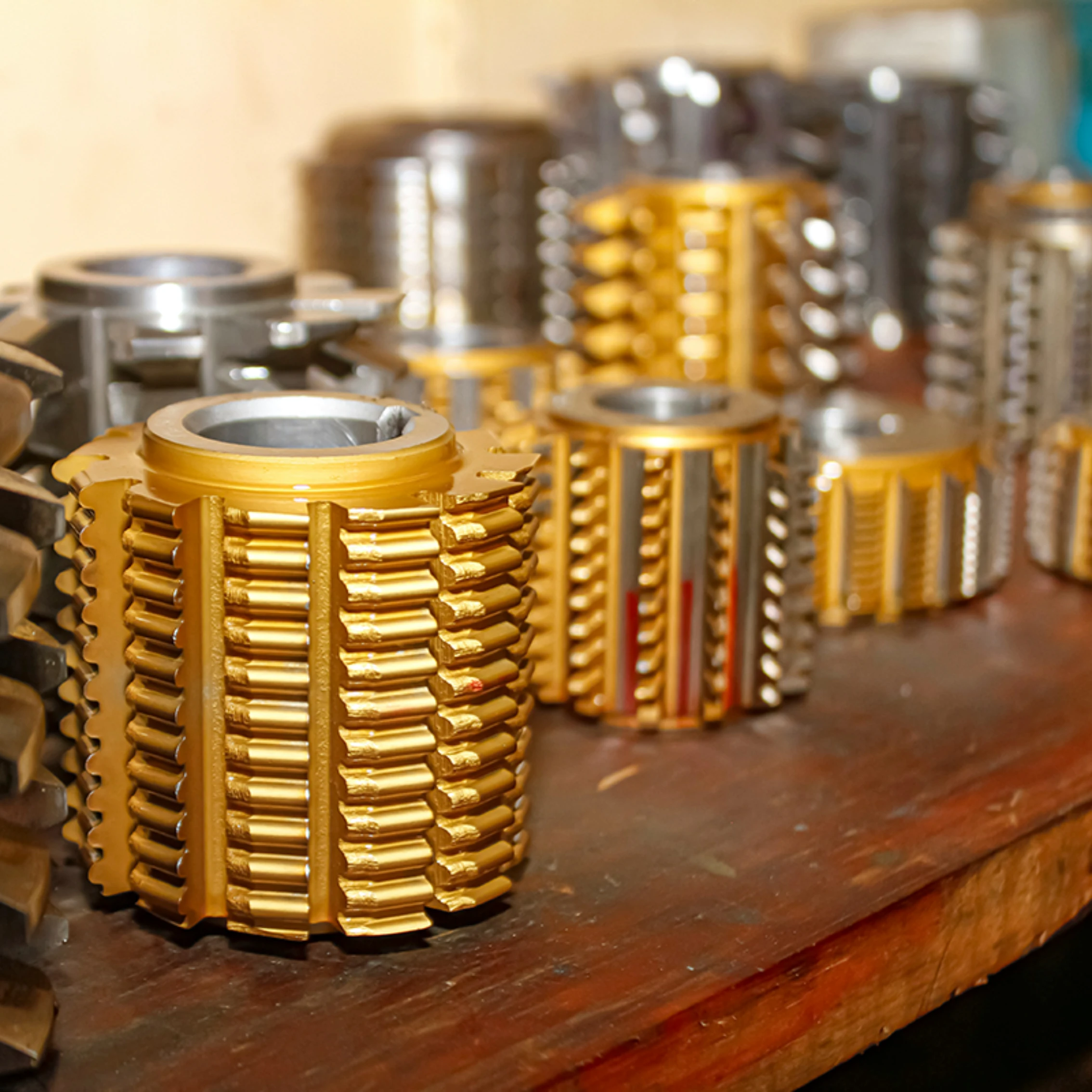
The Critical Impact of Material Removal in Manufacturing
Metal removal processes form the backbone of modern manufacturing, shaping the quality, precision, and performance of countless industrial components. The way material is removed from a workpiece directly influences not just the final dimensions, but also the crucial aspects of surface integrity and dimensional accuracy. Understanding these relationships is essential for engineers, machinists, and quality control specialists who strive for manufacturing excellence.
The interaction between cutting tools and metal surfaces creates a complex relationship that determines the final product's characteristics. From aerospace components to medical devices, the precision of metal removal processes can mean the difference between success and failure. Modern manufacturing demands increasingly tighter tolerances and superior surface finishes, making it vital to master the principles of controlled material removal.
Fundamentals of Metal Removal Processes
Understanding Material Removal Mechanisms
At its core, metal removal involves the controlled displacement of material through mechanical, thermal, or chemical means. The most common mechanical processes include turning, milling, and grinding, where specialized tools physically separate material from the workpiece. The mechanics of chip formation during these processes significantly impact the resulting surface quality and dimensional accuracy.
The cutting parameters - speed, feed, and depth of cut - work together to determine how material is removed. These variables must be carefully balanced to achieve optimal results. Too aggressive metal removal can lead to excessive tool wear and poor surface finish, while overly conservative parameters may result in inefficient production and potential work hardening of the material.
The Role of Cutting Tool Geometry
Tool geometry plays a crucial role in how material is removed from the workpiece. The rake angle, clearance angle, and cutting edge preparation all influence chip formation and the resulting surface characteristics. Advanced tool designs incorporate features that optimize chip evacuation and minimize cutting forces, leading to better surface finish and increased precision.
Modern cutting tools often feature specialized coatings and edge preparations that enhance their performance during metal removal operations. These improvements allow for more aggressive cutting parameters while maintaining surface quality and dimensional accuracy. The interaction between tool geometry and workpiece material must be carefully considered when planning machining operations.
Surface Finish Quality Factors
Impact of Cutting Parameters
The relationship between metal removal rates and surface finish is particularly evident in the selection of cutting parameters. Higher cutting speeds generally produce better surface finishes but must be balanced against tool life and machine capability. Feed rates have a direct impact on surface roughness, with lower feeds typically resulting in smoother surfaces but longer processing times.
Advanced manufacturing facilities carefully optimize these parameters through experimentation and monitoring. The use of surface roughness measurements and real-time monitoring systems helps maintain consistent quality during metal removal processes. Understanding the interplay between these variables allows manufacturers to achieve the desired surface characteristics efficiently.
Material Properties and Their Effects
Different materials respond uniquely to metal removal processes. The hardness, ductility, and microstructure of the workpiece material significantly influence the achievable surface finish. Harder materials often require different cutting strategies compared to softer ones, while maintaining similar quality standards.
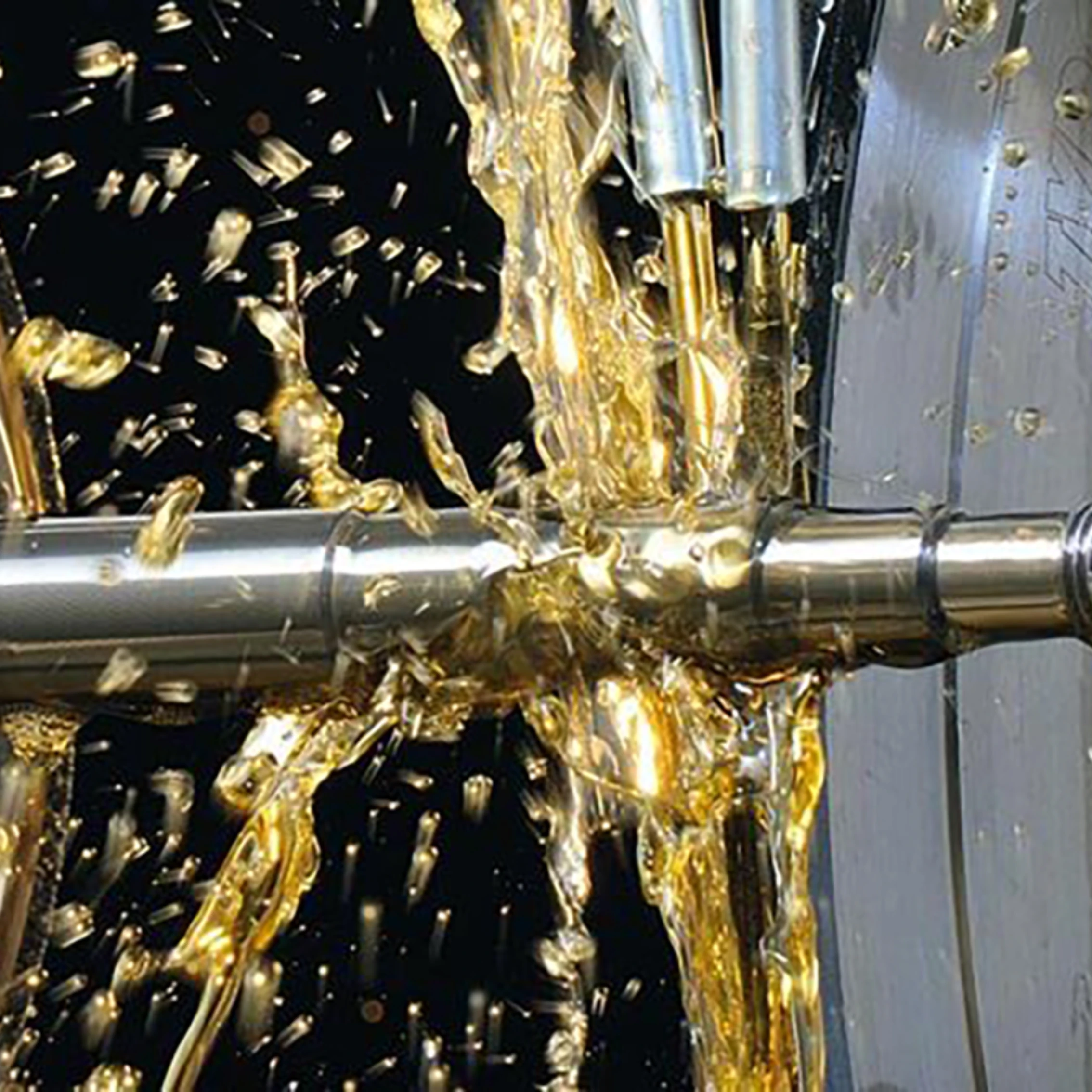
The thermal properties of the material also play a crucial role during metal removal. Heat generation and dissipation affect both the surface finish and dimensional accuracy of the final product. Proper cooling strategies and cutting fluid selection become essential elements in maintaining consistent surface quality.
Achieving Precision in Manufacturing
Control Systems and Monitoring
Modern precision manufacturing relies heavily on sophisticated control systems to maintain accuracy during metal removal operations. Computer Numerical Control (CNC) machines utilize advanced algorithms to optimize tool paths and maintain consistent material removal rates. Real-time monitoring of cutting forces and vibration helps prevent conditions that could compromise precision.
The integration of smart manufacturing technologies has revolutionized how metal removal processes are controlled and monitored. Sensors and adaptive control systems can adjust cutting parameters on the fly, ensuring consistent quality even as tool wear progresses or material conditions change.
Environmental Considerations
The manufacturing environment plays a crucial role in achieving precise metal removal. Temperature control, vibration isolation, and proper machine foundation all contribute to maintaining accuracy. Even small variations in environmental conditions can impact the final dimensions and surface finish of machined components.
Advanced manufacturing facilities implement strict environmental controls to ensure consistent results. This includes temperature-controlled environments, vibration monitoring, and regular calibration of equipment. Such measures are essential for maintaining the high precision demanded by modern industries.
Future Trends in Metal Removal Technology
Advanced Manufacturing Processes
The future of metal removal processes is being shaped by emerging technologies such as hybrid manufacturing systems and advanced materials. These innovations combine traditional metal removal methods with additive manufacturing or other processes to achieve unprecedented levels of precision and surface quality.
Artificial intelligence and machine learning are increasingly being applied to optimize metal removal processes. These technologies can predict tool wear, optimize cutting parameters, and maintain consistent surface finish across varying conditions. The integration of these advanced capabilities is revolutionizing how manufacturers approach precision machining.
Sustainability and Efficiency
Modern manufacturing is increasingly focused on sustainable metal removal processes. This includes minimizing waste, optimizing energy usage, and developing more efficient cutting strategies. The development of new cutting tool materials and coatings continues to push the boundaries of what's possible in terms of surface finish and precision.
The drive for sustainability has led to innovations in minimal quantity lubrication (MQL) and dry machining technologies. These approaches reduce environmental impact while maintaining or improving surface finish quality. The future of metal removal will continue to balance precision requirements with environmental responsibilities.
Frequently Asked Questions
How does cutting speed affect surface finish during metal removal?
Cutting speed has a direct relationship with surface finish quality. Higher cutting speeds typically result in better surface finishes due to more efficient chip formation and reduced built-up edge formation. However, excessive speeds can lead to increased tool wear and thermal damage, potentially compromising surface quality.
What role does coolant play in precision metal removal?
Coolant serves multiple crucial functions in metal removal processes. It helps regulate temperature at the cutting interface, removes chips from the cutting zone, and reduces friction between the tool and workpiece. Proper coolant application is essential for achieving consistent surface finish and maintaining dimensional accuracy.
How can manufacturers maintain precision during long production runs?
Maintaining precision during extended production runs requires a comprehensive approach including regular tool wear monitoring, consistent machine maintenance, and environmental control. Implementation of in-process measurement systems, adaptive control technologies, and predictive maintenance strategies helps ensure consistent quality throughout the production run.

