
 EN
EN
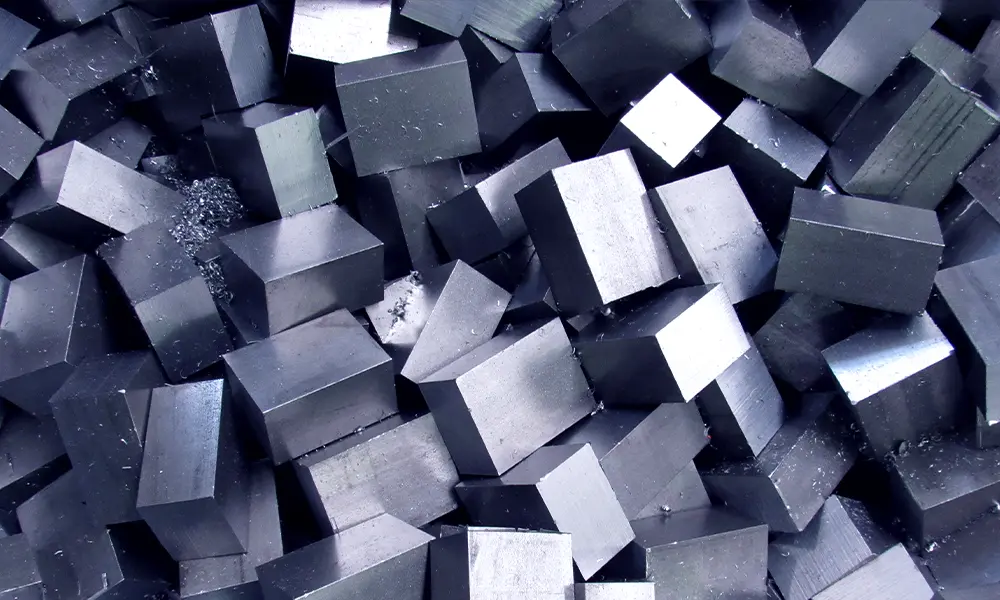
Understanding the Critical Impact of Thermal Effects in Metalworking
In the precision-driven world of metalworking, heat generation during metal removal processes presents one of the most significant challenges for manufacturers and machinists. When cutting tools engage with metal workpieces, the resulting friction produces substantial heat that can compromise both the quality of the finished product and the longevity of the cutting tools. Understanding and controlling heat damage metal removal processes is essential for achieving optimal results and maintaining production efficiency.
The consequences of uncontrolled heat during metalworking operations can be severe, leading to dimensional inaccuracies, surface defects, and even structural changes in the material. These thermal effects can result in costly rework, scrapped parts, and decreased tool life. By implementing proper heat management strategies, manufacturers can significantly improve their production outcomes while reducing operational costs.
Essential Cooling Techniques for Metal Machining
Flood Coolant Applications
Flood coolant systems represent one of the most widely adopted solutions for heat damage metal removal prevention. These systems continuously deliver a steady stream of cutting fluid to the cutting zone, effectively washing away chips and reducing friction between the tool and workpiece. The coolant serves multiple purposes: it absorbs heat, provides lubrication, and helps maintain dimensional accuracy throughout the cutting process.
Modern flood coolant systems can be optimized for different applications by adjusting pressure, flow rate, and coolant concentration. High-pressure coolant delivery systems are particularly effective for challenging operations like deep-hole drilling and heavy turning, where heat buildup can be especially problematic.
Minimum Quantity Lubrication (MQL)
For operations where traditional flood coolant may not be ideal, Minimum Quantity Lubrication offers an environmentally friendly alternative for heat damage metal removal. MQL systems deliver a precise amount of lubricant directly to the cutting zone, typically in the form of an aerosol mist. This approach reduces heat generation through improved lubrication while minimizing the environmental impact and cleanup requirements associated with traditional coolants.
The precision application of MQL allows for better penetration into the cutting zone, particularly beneficial in high-speed machining operations where conventional flood coolants might be less effective. This technique has gained popularity in aerospace and medical device manufacturing, where cleanliness and precision are paramount.
Advanced Cutting Tool Strategies
Optimal Tool Selection
The choice of cutting tool plays a crucial role in heat damage metal removal prevention. Modern cutting tools feature specialized coatings and geometries designed to manage heat generation effectively. Advanced coating technologies, such as TiAlN and AlCrN, provide superior heat resistance and can significantly reduce thermal load during cutting operations.
Tool geometry considerations, including rake angles, relief angles, and chip breaker designs, directly impact heat generation and dissipation. Proper tool selection based on specific application requirements can dramatically reduce thermal issues while improving overall machining performance.
Tool Path Optimization
Strategic tool path planning represents another critical aspect of heat damage metal removal prevention. Advanced CAM software enables the development of optimized cutting strategies that maintain consistent chip loads and avoid excessive heat buildup. Techniques such as trochoidal milling and adaptive clearing help distribute heat more evenly while reducing tool engagement angles.
Modern machining centers can execute complex tool paths that maintain optimal cutting conditions throughout the operation. This approach not only prevents heat damage but also extends tool life and improves surface finish quality.
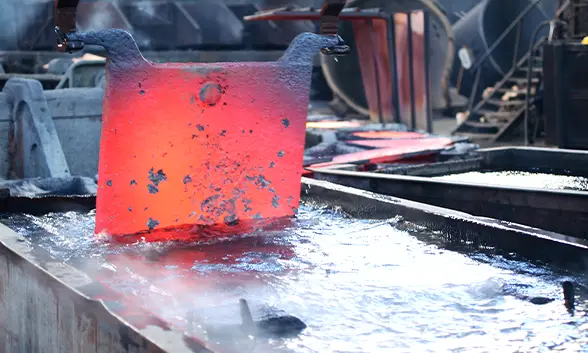
Process Parameter Control
Speed and Feed Rate Management
Proper control of cutting speeds and feed rates is fundamental to preventing heat damage metal removal issues. Higher cutting speeds generally produce more heat, while inappropriate feed rates can lead to excessive friction and thermal loading. Finding the right balance between these parameters is crucial for thermal management and optimal cutting performance.
Modern machine tools equipped with advanced controls allow for dynamic adjustment of cutting parameters based on real-time monitoring of cutting conditions. This capability enables responsive adjustments to maintain optimal thermal conditions throughout the machining process.
Depth of Cut Considerations
The depth of cut directly influences heat generation during metal removal processes. Deeper cuts generate more heat but may actually be more efficient when properly executed with appropriate tools and parameters. Understanding the relationship between depth of cut and heat generation helps in developing effective cutting strategies that balance productivity with thermal management.
Progressive depth of cut strategies, where material is removed in carefully planned layers, can help manage heat buildup while maintaining productivity. This approach is particularly valuable when working with heat-sensitive materials or complex geometries.
Monitoring and Control Systems
Thermal Sensing Technology
Advanced monitoring systems play an increasingly important role in heat damage metal removal prevention. Thermal imaging cameras and integrated temperature sensors provide real-time feedback on cutting conditions, allowing for immediate intervention when thermal issues arise. These technologies enable proactive approach to heat management rather than reactive responses to thermal damage.
The data collected from monitoring systems can be analyzed to optimize processes and prevent recurring heat-related issues. This information proves valuable for continuous improvement of machining operations and development of more effective thermal management strategies.
Predictive Maintenance
Implementing predictive maintenance programs helps identify potential heat-related issues before they cause significant problems. Regular monitoring of tool wear, machine performance, and cutting conditions enables early detection of situations that might lead to excessive heat generation and potential workpiece damage.
Advanced analytics and machine learning algorithms can process operational data to predict when thermal issues are likely to occur, allowing for preventive actions to be taken before problems develop.
Frequently Asked Questions
What are the first signs of heat damage during metal removal?
Early indicators of heat damage include discoloration of the workpiece surface, built-up edge on cutting tools, excessive tool wear, and dimensional inconsistencies in machined features. Changes in chip color or formation patterns can also signal developing heat-related issues.
How does workpiece material selection impact heat generation?
Different materials have varying thermal properties and machinability characteristics. Materials with poor thermal conductivity tend to concentrate heat in the cutting zone, while those with high thermal conductivity distribute heat more effectively. Understanding these properties is crucial for developing appropriate machining strategies.
When should you consider dry machining versus wet machining?
Dry machining may be appropriate for certain materials and operations where heat generation is manageable or where coolant use is restricted due to contamination concerns. However, wet machining is generally preferred for operations involving significant heat generation or when working with heat-sensitive materials.

