
 EN
EN
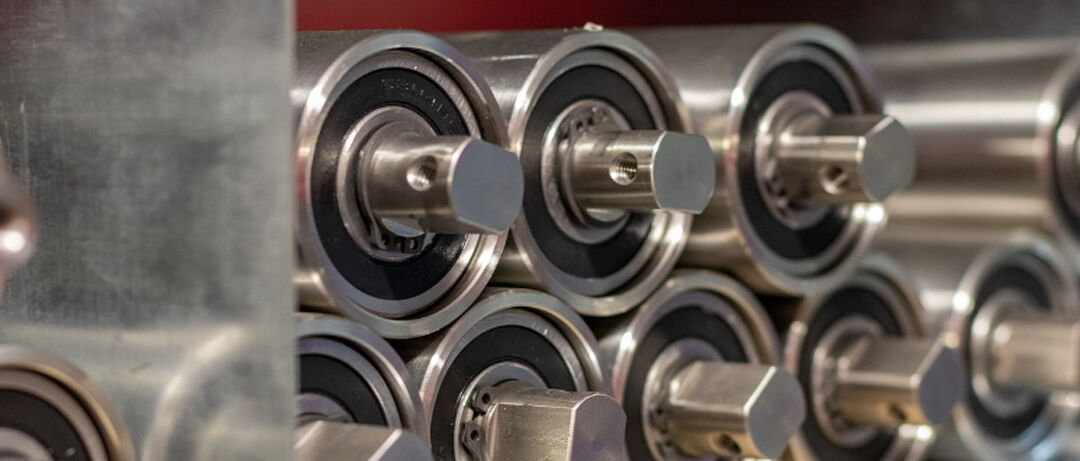
Choosing the right quenching medium is essential for bearing heat treatment. It directly affects the performance, durability, and quality of the final product. You must consider factors like material properties, cooling rates, and process goals. When you select quenching medium carefully, you ensure optimal results and reduce the risk of defects.
Key Factors to Select Quenching Medium
Material Properties and Hardenability
The material of the bearing plays a major role in determining the right quenching medium. Different materials have unique hardenability, which refers to their ability to harden during heat treatment. For example, high-carbon steels require faster cooling rates to achieve the desired hardness, making water-based quenching media a suitable choice. On the other hand, low-alloy steels may benefit from slower cooling rates provided by oil-based media to prevent cracking.
You should also consider the material’s sensitivity to thermal shock. Some materials may crack or distort if cooled too quickly. By understanding the hardenability and thermal behavior of the material, you can select quenching medium that ensures optimal hardness without compromising the integrity of the bearing.
Part Geometry and Size
The shape and size of the bearing significantly influence your choice of quenching medium. Complex geometries with thin sections or sharp edges are more prone to distortion during rapid cooling. In such cases, slower cooling media like oil or polymer solutions are better options. Larger parts, which retain heat longer, may require faster cooling to achieve uniform hardness throughout.
You should also evaluate the surface area-to-volume ratio of the part. Bearings with higher ratios cool faster, increasing the risk of uneven hardness or cracking. Matching the quenching medium to the part’s geometry and size helps you achieve consistent results.
Process Parameters and Heat Treatment Goals
Your heat treatment goals and process parameters determine the ideal quenching medium. If your goal is to maximize hardness, faster cooling media like water or polymer solutions may be necessary. However, if dimensional stability and reduced distortion are priorities, slower cooling media such as oil or gas quenching are better suited.
Process parameters like quenching temperature and agitation also affect the cooling rate. For instance, higher agitation in oil-based media can increase cooling speed, making it suitable for parts requiring moderate hardness.
Comparison of Common Quenching Media
Water-Based Quenching Media: Pros and Cons
Water-based quenching media offer rapid cooling, making them ideal for materials that require high hardness. You can use water for its availability and cost-effectiveness. It works well for high-carbon steels and other materials with high hardenability. However, the fast cooling rate increases the risk of cracking and distortion, especially in parts with complex shapes or thin sections. Water also promotes rust, so you must take precautions to prevent corrosion after quenching.
Oil-Based Quenching Media: Pros and Cons
Oil-based quenching media provide moderate cooling rates, which reduce the risk of cracking and distortion. You can use oil for parts with intricate geometries or materials sensitive to thermal shock. It offers better control over cooling compared to water. However, oil is more expensive and requires careful handling due to its flammability. It also produces fumes during the process, which may require additional ventilation. Despite these drawbacks, oil remains a popular choice for achieving a balance between hardness and dimensional stability.
Practical Guidelines to Select Quenching Medium
Evaluating Material and Process Requirements
You should begin by understanding the material and process requirements of your bearings. Each material has unique hardenability and thermal properties. For instance, high-carbon steels demand faster cooling, while low-alloy steels benefit from slower cooling to avoid cracking. Review the material specifications and identify the desired hardness and toughness levels.
Next, assess the process parameters. Consider the quenching temperature, agitation level, and cooling uniformity. These factors influence how effectively the quenching medium meets your heat treatment goals.
Balancing Cooling Speed and Risk of Distortion
Cooling speed plays a critical role in achieving the desired hardness. However, faster cooling increases the risk of distortion or cracking. You must strike a balance between cooling speed and the material’s tolerance for thermal stress.
For parts with complex geometries or thin sections, slower cooling media like oil or polymer solutions reduce the risk of distortion. For larger parts or materials requiring high hardness, faster cooling media such as water may be necessary. Testing on sample parts helps you find the right balance for your specific application.
Using Industry Standards and Expert Recommendations
Industry standards provide valuable guidance when selecting a quenching medium. Refer to standards like ASTM or ISO for material-specific recommendations. These standards outline best practices for achieving consistent results.
Consulting with heat treatment experts also helps you make informed decisions. Experts can analyze your process and suggest the most suitable quenching medium. Combining industry standards with expert advice ensures you achieve reliable and high-quality outcomes.
Choosing the right quenching medium ensures your bearings achieve optimal performance and durability. You must balance material properties, process requirements, and cooling characteristics to avoid defects. Apply the outlined guidelines to confidently select quenching medium that meets your goals. This approach guarantees consistent results and enhances the quality of your heat-treated bearings.