
 EN
EN
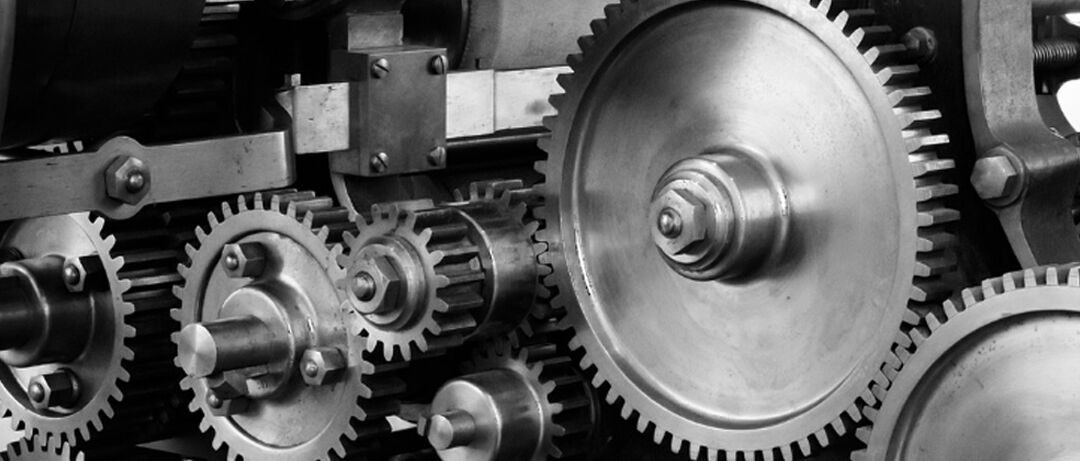
Gear deformation refers to the alteration of a gear's shape due to stress, heat, or wear. This deformation disrupts mechanical systems by reducing efficiency and causing misalignment. Identifying influencing factors helps engineers address root causes. Applying control methods ensures durability and optimal performance, preventing costly failures in industrial and automotive applications.
Influencing Factors of Gear Deformation
Material Properties and Selection
The material used to manufacture gears plays a critical role in their durability and resistance to deformation. Metals like steel and alloys are common choices due to their strength and wear resistance. However, improper material selection can lead to issues such as cracking or warping under stress. Engineers must consider factors like hardness, elasticity, and thermal conductivity when choosing materials. For example, high-carbon steel offers excellent strength but may require additional heat treatment to prevent brittleness. Selecting the right material ensures the gear can withstand operational demands without significant deformation.
Operating Conditions and Dynamic Loads
Gears operate under varying conditions, including temperature changes, high-speed rotations, and fluctuating loads. These factors create stress that can deform the gear over time. Dynamic loads, such as sudden impacts or uneven torque, increase the risk of misalignment and wear. High temperatures can also weaken the material, making it more susceptible to deformation. Monitoring operating conditions and designing gears to handle specific loads help reduce these risks.
Manufacturing Processes and Heat Treatment
The manufacturing process significantly affects gear quality. Processes like forging, casting, and machining determine the gear's structural integrity. Improper machining can introduce surface defects, while uneven cooling during heat treatment may cause internal stresses. Heat treatment methods, such as quenching and tempering, enhance the gear's hardness and resistance to deformation. Consistent quality control during manufacturing minimizes defects and ensures long-term performance.
Gear Design and Geometry
The design and geometry of a gear influence its ability to resist deformation. Factors like tooth shape, size, and spacing affect how the gear distributes stress during operation. Poorly designed gears may experience uneven stress, leading to premature wear or bending. Engineers optimize gear geometry to balance strength and efficiency. For instance, helical gears distribute load more evenly than spur gears, reducing the likelihood of deformation.
Control Methods for Gear Deformation
Precision Manufacturing and Machining
Precision manufacturing ensures gears meet exact specifications, reducing the risk of deformation. Advanced machining techniques, such as CNC (Computer Numerical Control) machining, create gears with high accuracy. These methods minimize surface defects and ensure uniformity in gear dimensions. Engineers also use quality control tools, like coordinate measuring machines, to verify the accuracy of gear geometry. Consistent precision during manufacturing enhances the gear's ability to handle stress without deforming.
Proper Lubrication and Maintenance
Lubrication reduces friction between gear teeth, preventing wear and overheating. High-quality lubricants form a protective layer, reducing the chances of deformation caused by dynamic loads. Regular maintenance ensures the lubrication system functions effectively. Technicians inspect gears for signs of wear, misalignment, or contamination. Proactive maintenance extends the lifespan of gears and minimizes the risk of operational failures.
Thermal Treatments and Quenching Techniques
Thermal treatments improve the material properties of gears, making them more resistant to deformation. Processes like quenching involve rapid cooling, which increases hardness and reduces internal stresses. Tempering follows quenching to balance hardness with toughness. Engineers select specific thermal treatments based on the gear material and operating conditions. Properly treated gears maintain their shape and performance under high stress.
Alignment and Installation Best Practices
Proper alignment during installation ensures gears distribute loads evenly. Misaligned gears experience uneven stress, leading to deformation and premature wear. Technicians use alignment tools, such as dial indicators, to achieve precise positioning. Following manufacturer guidelines during installation prevents errors that could compromise gear performance. Correct alignment enhances efficiency and reduces the likelihood of mechanical failures.
Understanding gear deformation requires analyzing its influencing factors and applying effective control methods. Material properties, operating conditions, manufacturing processes, and gear design significantly impact deformation. Control methods like precision machining, lubrication, thermal treatments, and proper alignment ensure durability.
Readers should prioritize maintenance and quality control to minimize deformation risks. Adopting these strategies ensures long-lasting and efficient mechanical systems.