
 EN
EN
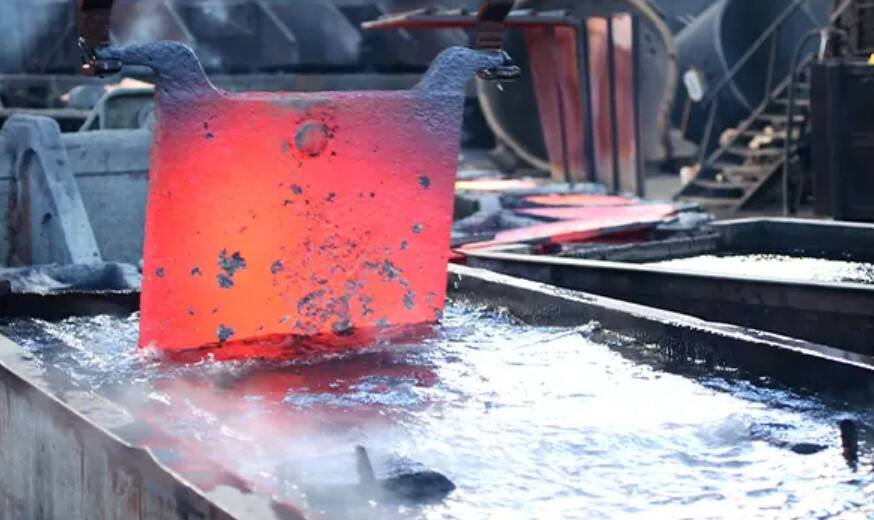
The Critical Role of Heat Treatment in Gear Manufacturing
Heat treatment is an essential process in gear manufacturing, involving several techniques such as quenching and tempering to enhance material properties. Quenching rapidly cools heated materials, transitioning them into a hardened state, while tempering re-heats the quenched metals to increase ductility and decrease brittleness. These processes are integral to refining the mechanical characteristics of gears, ensuring they can withstand operational demands.
The significance of heat treatment in gear manufacturing cannot be understated; it dramatically improves the strength, hardness, and wear resistance of gears. These factors are critical to the performance and longevity of gears, which are subjected to continuous stress and friction. The enhanced properties ensure that the gears possess the durability needed to operate efficiently within machinery, reducing the risk of premature failure.
Supported by industry statistics, the efficacy of heat-treated gears is evident. Properly heat-treated gears exhibit significantly reduced wear and tear when exposed to operational stresses. This reduction contributes to more extended service life and reliability of gear systems, proving that efficient heat treatment is not just a process but a crucial step in manufacturing superior quality gear components.
KERUN's Low-Deformation Heat Treatment Process
KERUN has revolutionized gear production with its low-deformation heat treatment process, which combines cutting-edge technology with innovative methodologies. This process is designed to mitigate deformation that commonly occurs during heat treatment by carefully controlling temperature and cooling rates. The process involves precise temperature measurement and control, coupled with advanced quenching techniques that reduce thermal stress and minimize deformation. By using specific clamping ways and fixtures, the stress distribution on the gears is optimized, further reducing the risk of shape distortion.
The technical advantages of this approach are significant, especially in maintaining tight tolerances and reducing post-treatment machining requirements. For instance, by controlling the cooling process more effectively, components retain their precise dimensions and require less finishing work, saving time and costs. This makes KERUN's method particularly effective, as it ensures that the structural integrity and performance of gears are enhanced without the recurring need for complex and costly adjustments post-treatment. Additionally, the process supports the demands of modern gear manufacturing, where precision and reliability are crucial for optimal gear performance.
Benefits of Low-Deformation Heat Treatment Process
The low-deformation heat treatment process significantly enhances machining allowance by improving precision, which leads to more efficient production cycles and reduced waste. This process allows for precision in material removal, ensuring very close conformity to intended tolerances. Enhanced precision decreases the requirement for excessive post-processing corrections, thus enabling manufacturers to streamline production and minimize material wastage.
Dimensional stability and machinability are also considerably impacted through low-deformation heat treatment. By maintaining the structural integrity of materials during the thermal process, distortion is minimized, resulting in higher accuracy in the final gear dimensions. This method helps ensure that components meet exact specifications, which is crucial for industries where precision is key, such as aerospace or automotive sectors. Consequently, this contributes to extending the life and reliability of the parts while enhancing their overall performance.
Significant Improvement in Gear Load-Bearing Life
Low-deformation heat treatment significantly extends the life of gear components by enhancing their material characteristics. This process improves the material's intrinsic properties, such as hardness and toughness, which in turn boosts the load-bearing capacity of the gears. This is crucial in demanding applications where high stress and repetitive strain can lead to gear failure. By reinforcing the gears' molecular structure, the treatment ensures they can withstand higher loads without compromising their integrity.
In a comparative analysis of the gear load-bearing lifespan before and after low-deformation treatment, notable improvements are evident. Studies indicate that treated gears exhibit a marked increase in their fatigue resistance and durability. Quantitative metrics from research often show an upwards potential of a 30-50% improvement in load-bearing lifespan, underscoring the effectiveness of the process in prolonging operational life. Such enhancements in durability and load capacity are not only cost-effective but also pivotal in sectors where reliability is paramount.
Economic Benefits and Sustainability
The economic benefits of heat-treated gears are significant, primarily through enhanced durability. Enhanced gear durability, thanks to advanced heat treatment processes, results in substantial cost savings. These savings come from lower replacement rates and reduced maintenance costs, as the longevity of gears increases. When gears last longer and require less frequent servicing, businesses can allocate resources more efficiently, ultimately enhancing their bottom line.
Furthermore, adopting heat treatment in gear manufacturing promotes sustainability by decreasing material waste and conserving energy. This is supported by industry sustainability ratings, which highlight the eco-friendly aspects of modern heat treatment processes. By extending the life span of gears and requiring fewer replacements, manufacturers reduce the demand for raw materials, thus minimizing their environmental footprint. Moreover, the energy-efficient technologies involved in chemical heat treatment contribute to lower energy consumption, aligning with global efforts to promote sustainable manufacturing practices.
Future Outlook
The future of gear manufacturing is poised for significant transformation, driven by innovations in heat treatment technologies. Advanced developments in alloy compositions and the automation of heat treatment processes are expected to play a pivotal role. These innovations aim to enhance the performance and durability of gears, ensuring they meet the evolving demands of modern engineering applications. For instance, the integration of automated controls can improve consistency and reduce the variability in gear properties, thus optimizing their usage in critical applications.
Emerging trends in gear manufacturing prioritize efficiency, integrating cutting-edge technologies with heat treatment processes to heighten product quality while minimizing production costs. Techniques such as precision temperature monitoring and advanced quenching methods are set to minimize deformation and waste, leading to better quality gear production. As these cost-effective processes become widespread, manufacturers will likely find themselves with more sustainable practices that align with industry trends toward environmentally friendly production. With these advances, gears treated with modern methods will undoubtedly enhance the efficiency and reliability of machinery, providing economic benefits by prolonging gear lifecycle and reducing replacement needs.
Frequently Asked Questions
What is the purpose of quenching in heat treatment?
Quenching rapidly cools heated metals to a hardened state, improving their strength and durability.
How does low-deformation heat treatment benefit gear manufacturing?
This process minimizes shape distortion, enhancing precision and reducing post-treatment machining needs, thus saving costs and resources.
What are the economic benefits of heat-treated gears?
Heat-treated gears are more durable, leading to lower replacement rates and maintenance costs, thereby providing significant cost savings.
Why is heat treatment important for sustainability?
It reduces material waste and conserves energy, minimizing the environmental impact of gear manufacturing processes.
What innovations are expected in the future of heat treatment?
Future innovations include the automation of processes and advanced alloy compositions, which will enhance gear performance and durability.