
 EN
EN
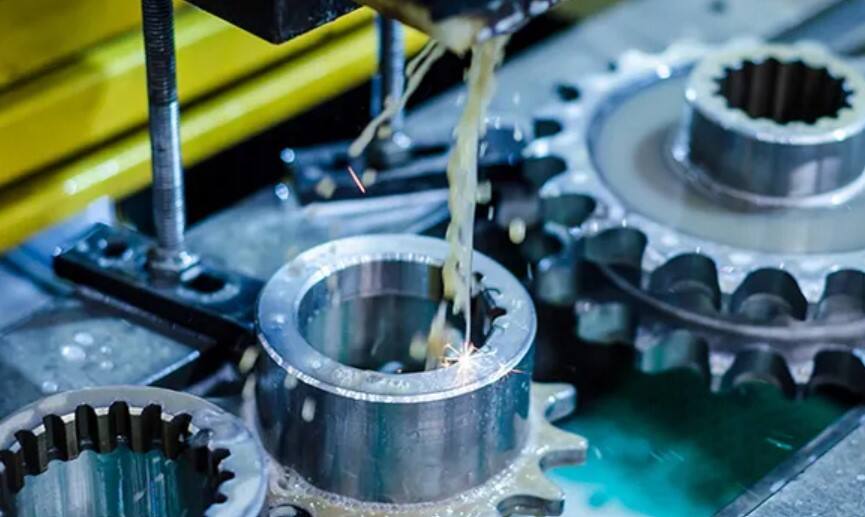
The Development of Gear Processing Technology
The development of gear processing technology has seen significant innovations in recent years, propelled by advances such as Computer Numerical Control (CNC) and additive manufacturing. CNC machining has revolutionized gear production by enabling precise and repeatable manufacturing processes, while additive manufacturing, or 3D printing, allows for complex gear designs that were previously unattainable. These technologies have markedly reduced production time, with notable efficiency gains like a 30% reduction in production time, enhancing competitiveness in sectors such as the automotive industry and aerospace engineering.
Automation plays a crucial role in modern gear processing, significantly enhancing efficiency and accuracy through the integration of robotics and Artificial Intelligence (AI). Automation technologies streamline workflows by automating repetitive tasks, reducing human error, and enhancing the precision of gear manufacturing. Industry reports suggest a projected 40% increase in productivity as automation becomes increasingly embedded in gear processing operations, improving overall operational efficiency and output quality.
The automotive industry has had a pronounced impact on gear technology, necessitating more sophisticated and efficient gear systems to match evolving vehicle designs. Leaders in the automotive sector are increasingly focused on producing lighter, more efficient gears to support sustainability efforts and reduce vehicle emissions. This trend is supported by initiatives from automotive industry leaders, who are advancing gear technology to meet the demand for improved energy efficiency and performance. Such developments underscore the automotive industry's influence on gear processing technology and its commitment to integrating energy-efficient solutions.
Advances in Gear Lubrication Technology
Recent advancements in gear lubrication technology reveal a significant shift towards more sustainable and efficient solutions. The emergence of biodegradable lubricants is at the forefront, offering substantial environmental benefits. These lubricants, derived from renewable sources, reduce the ecological impact of industrial processes. Recent studies have highlighted a growing demand for eco-friendly alternatives, particularly in sectors sensitive to environmental regulations, such as the automotive and aerospace industries. This green trend is projected to foster market growth, aligning with the global push towards sustainable practices.
Synthetic lubrication solutions also play a pivotal role, providing enhanced temperature resistance and reducing wear rates. Unlike conventional lubricants, synthetic options can withstand higher temperatures and conform to extreme operational conditions, resulting in prolonged equipment life and reduced maintenance needs. Quantitative data underscores that synthetic lubricants improve performance metrics, offering up to a 20% increase in operational efficiency compared to traditional products. These benefits have positioned synthetic lubricants as the preferred choice in high-stakes scenarios, such as aerospace engineering.
Furthermore, nanotechnology has made significant inroads into lubricant performance, improving efficiency and protection. The introduction of nanoparticles within lubricants enhances their properties, significantly increasing wear protection and boosting energy efficiency. A case study revealed that nanotech-enhanced lubricants offer a remarkable 50% improvement in wear resistance. This breakthrough is particularly beneficial in industries reliant on heavy-duty machinery, where the reduction of friction and extended lifecycle are critical for maintaining operational excellence. Through these advances, gear lubrication technology continues to evolve, integrating innovation for better performance and sustainability.
Synergy Between Machining Technology and Lubrication Technology
The integration of advanced lubricants in gear manufacturing significantly enhances cutting conditions and extends tool life. For example, some manufacturers report up to a 20% increase in tool longevity due to the use of specialized lubrication solutions. These advanced formulations reduce friction and heat generation during cutting processes, which not only preserves the integrity of the tools but also optimizes the efficiency of machining operations. By improving the cutting conditions, these lubricants support more consistent production cycles and higher quality outcomes.
Lubrication plays a pivotal role in enhancing gear processing efficiency, as the type of lubricant directly influences operational performance. Studies have shown a correlation between proper lubrication strategies and reduced friction and wear in gears, leading to smoother operations and less maintenance downtime. The right lubricant minimizes resistance, allowing machinery to run more efficiently which, in return, reduces energy consumption and operational costs. Such efficiencies are vital in industries like automotive, aerospace engineering, and renewable energy, where precision and reliability are paramount.
Case studies from various manufacturing settings highlight the technological interactions between machining and lubrication technologies, illustrating substantial cost savings and productivity increases through optimal lubricant selection. For instance, choosing the appropriate lubricant can lead to significant reductions in tool wear and maintenance needs, translating into measurable financial benefits. In one documented scenario, implementing the right lubrication strategy resulted in a 15% reduction in operational costs by improving machine uptime and extending the lifespan of crucial components. Such examples demonstrate the essential nature of the lubrication selection process in maximizing manufacturing efficiency and output.
Future Development Trends in Gear Processing and Lubrication Technologies
The gear processing and lubrication technologies industry is witnessing significant transformation driven by renewable energy applications. Wind turbine gear systems are at the forefront, requiring innovative processing and lubrication solutions to ensure sustainability and efficiency in energy production. These systems demand lubricants that can withstand high stress and temperature variations typical in renewable energy settings. This trend is accelerating advancements in specialized lubricants tailored for such demanding environments, ensuring that the renewable energy sector can continue its rapid growth.
In the aerospace engineering sector, technological developments focus on lightweight materials and advanced lubrication systems. The need for high-performance requirements in aerospace applications has led to the development of new materials and lubrication technologies that can handle extreme conditions without compromising performance. As the industry pushes towards more efficient and lighter aircraft, the integration of these innovations becomes crucial. This evolution not only improves energy efficiency but also enhances overall aerospace operational capabilities by reducing weight and increasing fuel efficiency.
Simultaneously, energy efficiency in gear processing technologies is advancing rapidly as firms strive to balance performance with sustainability. Leading companies in the sector are adopting new technologies that reduce energy consumption and enhance system performance. For instance, modern gear processing involves using lubricants that minimize friction, leading to substantial energy savings and extended machinery life. This commitment to energy-efficient solutions illustrates the industry's shift towards sustainable practices, aligning with global objectives to reduce carbon footprints and maximize energy use efficiency.
FAQs
What are the key advancements in gear processing technology?
Key advancements include Computer Numerical Control (CNC), additive manufacturing (3D printing), and automation through robotics and AI, which have enhanced precision, efficiency, and reduced production time.
How does automation impact gear processing?
Automation improves efficiency and accuracy by streamlining workflows and reducing human error, resulting in a significant productivity increase.
What role does lubrication technology play in gear manufacturing?
Lubrication technology reduces friction and wear, enhances cutting conditions, and can significantly increase tool longevity, improving overall manufacturing efficiency.
How do synthetic lubricants differ from conventional lubricants?
Synthetic lubricants offer enhanced temperature resistance and reduce wear rates, providing up to a 20% increase in operational efficiency compared to traditional lubricants.
What future trends are emerging in gear processing and lubrication technologies?
Future trends include the development of specialized lubricants for renewable energy applications, lightweight materials in aerospace, and a focus on energy-efficient gear processing solutions.
Table of Contents
- The Development of Gear Processing Technology
- Advances in Gear Lubrication Technology
- Synergy Between Machining Technology and Lubrication Technology
- Future Development Trends in Gear Processing and Lubrication Technologies
-
FAQs
- What are the key advancements in gear processing technology?
- How does automation impact gear processing?
- What role does lubrication technology play in gear manufacturing?
- How do synthetic lubricants differ from conventional lubricants?
- What future trends are emerging in gear processing and lubrication technologies?