
 EN
EN
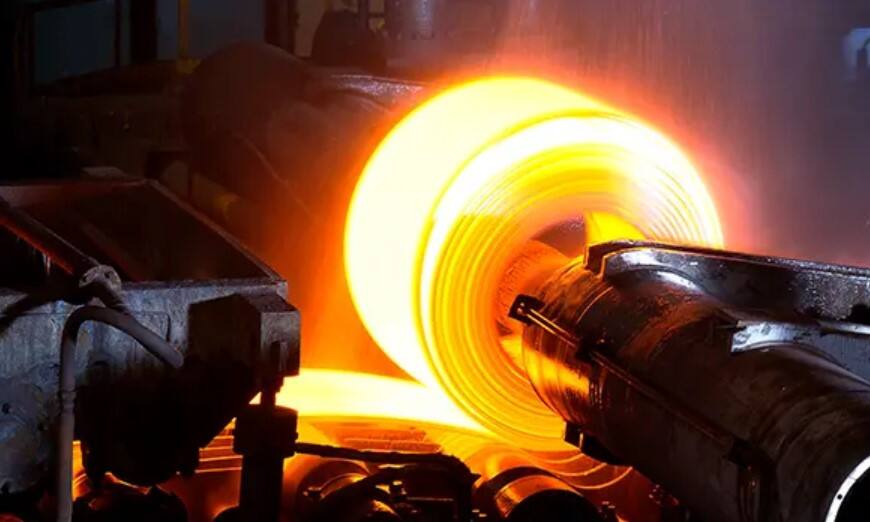
Overview of Metal Rolling Processes
Metal rolling is a crucial manufacturing process that involves passing metal stock through one or more pairs of rolls to compress, reduce thickness, and refine surface finish. This process transforms raw metal materials into desirable shapes and sizes, widely used in industries like automotive, construction, and aerospace. The technique enhances the material's properties, making it a preferred method for producing broad spectra of metal products.
The origin of metal rolling dates back several centuries, where it began as a manual and labor-intensive process involving rudimentary tools. Over the decades, technological advancements have significantly revolutionized metal rolling. From manual methods, the industry has gradually transitioned to highly automated systems that maximize efficiency and precision. Automation has not only increased production capabilities but also improved the quality and consistency of the end products.
Two primary techniques are prevalent in metal rolling: hot rolling and cold rolling. Hot rolling involves heating the metal above its recrystallization temperature, which allows for the easy deformation of the metal and the formation of large sizes and shapes. This method is particularly beneficial for producing billets and blooms. In contrast, cold rolling is performed at or near room temperature and is known for enhancing the metal's structural integrity, improving surface finish, and achieving tighter dimensional tolerances. Each technique serves distinct purposes and is chosen based on the specific requirements of the manufacturing process.
Effects of Internal Stresses on Machining Performance of Automotive Parts
Internal stresses introduced through processes such as metal rolling and welding can significantly affect the performance and lifespan of automotive components. These stresses may lead to deformations, premature failures, or even catastrophic breakdowns in the vehicle’s operational capacity. As these stresses accumulate, components may experience strain that could compromise their structural integrity, thus affecting the vehicle’s overall reliability.
Residual stresses are the culprit often hidden within the depths of automotive materials, altering their mechanical properties. These stresses develop during machining processes and can adversely affect yield strength and ductility. The introduction of residual stresses during fabrication can lead to warping and dimensional variances in parts—key factors that ultimately influence the effectiveness of components under operational loads. Understanding these stresses is vital for improving the ductility and resilience of metals used in automotive sectors.
Supporting these points, various studies have highlighted the direct correlation between high-stress levels and machining defects. Statistics from industry research indicate that unaccounted-for internal stresses can drastically reduce performance. For instance, in a study published in "Applied Sciences" by Hua and Liu in 2019, they explored how machining-induced residual shear and normal stresses significantly impacted the fatigue life of materials like Inconel 718. Such findings illustrate the necessity for manufacturers to consider stress management in their design and production processes.
KERUN's Solutions and Technical Advantages
KERUN employs cutting-edge technologies to effectively manage and mitigate metal stress in automotive components. Utilizing advanced rolling techniques and heat treatment processes, KERUN ensures the desired material properties are achieved, leading to enhanced durability and performance of automotive parts. These innovative methods optimize the inherent material characteristics, addressing potential issues such as metal deformation and failure. Through controlling the internal stresses effectively, KERUN enhances the longevity and yields stronger automotive components that meet stringent industry standards.
In real-world applications, KERUN's methodologies have demonstrated significant success in the automotive industry by reducing internal stresses. For example, a case study with a major automotive manufacturer revealed that KERUN's practices not only improved production efficiency but also resulted in parts with superior mechanical properties. Such outcomes are crucial in an industry where performance consistency and reliability are paramount.
Testimonials from industry experts further validate KERUN's unique approaches. Professionals in the automotive sector have praised KERUN's techniques for their transformative impact in reducing material failures and enhancing product lifespan. These endorsements, combined with empirical case studies, underscore the relevance and effectiveness of KERUN's solutions in contemporary automotive manufacturing, bolstering their reputation as a leader in managing metal rolling stresses.
Relevance to the Automobile Manufacturing Industry
In automotive manufacturing, balancing material properties with production techniques is crucial to ensure safety and efficiency. The selection of materials—whether it's steel for its strength or aluminum for its lightweight properties—impacts the performance and durability of vehicle components like engines, suspension systems, and brake assemblies. Ensure compatibility with precise production techniques, such as advanced metal rolling and CNC machining, is pivotal in crafting parts that meet high-performance demands.
Manufacturers must also adhere to strict regulations and performance standards to comply with safety and environmental guidelines. Key standards include ISO 9001, which focuses on quality management systems specific to the automotive industry, ensuring parts meet stringent tolerances and safety requirements. Compliance with international standards, such as ASTM and SAE, confirms that materials possess required properties for automotive use, offering reliability and safety assurance.
Innovation in manufacturing is enhancing the adaptability of production processes to meet evolving automotive design needs. Technologies like automation and digital twins are facilitating customization and efficiency, allowing manufacturers to respond quickly to new design trends and regulatory changes. These innovations help tailor production lines to produce complex components faster and with greater precision, ensuring they can support the latest designs and comply with ever-changing industry standards.
Future Prospects and Advancements
Emerging trends in metal rolling and stress management point towards a transformative shift driven by automation and smart manufacturing technologies. These innovations allow for real-time quality monitoring, enhancing process accuracy and efficiency. As industries strive for optimized production, these technologies are becoming integral to modern manufacturing environments. Moreover, advancements in materials science, particularly the development of lighter and stronger alloys, are poised to significantly impact metal rolling processes. These new materials not only promise enhanced machining performance but also contribute to improved energy efficiency and vehicle dynamics in the automotive sector.
Digital technologies such as artificial intelligence (AI) and machine learning play a pivotal role in the future of machining. These tools offer incredible potential for optimizing machining performance by predicting stress outcomes in automotive components. By harnessing AI's predictive capabilities, manufacturers can anticipate material behavior and adapt processes accordingly, reducing errors and improving product quality. The integration of these technologies ensures that future metal rolling processes not only meet but exceed current performance standards, laying the groundwork for advanced manufacturing solutions.
FAQ Section
What is metal rolling?
Metal rolling is a manufacturing process involving the compression of metal stock through rolls to reduce thickness, refine surface finish, and transform materials into specific shapes and sizes.
How does KERUN address internal stresses in automotive components?
KERUN uses advanced rolling techniques and heat treatment processes to manage and reduce internal stresses in automotive components, ensuring enhanced durability and performance.
What are the benefits of reducing internal stresses in automotive parts?
Reducing internal stresses improves the structural integrity, performance, and lifespan of automotive components, minimizing the risk of failures and enhancing overall reliability.
Why is material stress management important in automotive manufacturing?
Material stress management is critical as it affects the mechanical properties and operational reliability of automotive parts, impacting safety and performance.