
 EN
EN
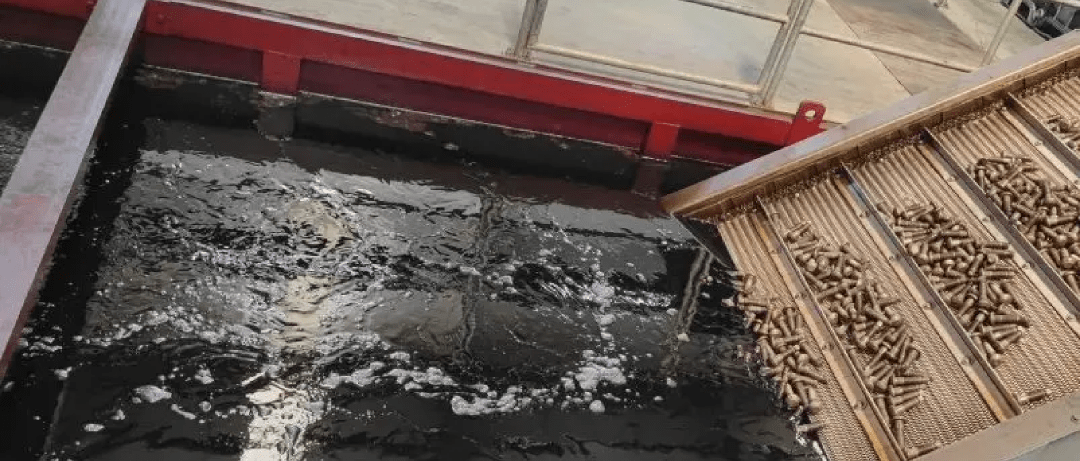
Aqueous metal cleaning agents are mainly used to clean all kinds of oil, grease, stains, cutting fluid, dust, etc. on the surface of metal products, and its typical products are such as KR - F400 aqueous metal cleaner of KeRun. It consists of surfactants and a variety of additives, the cleaning mechanism for adsorption, volume separation, emulsification and dispersion, with the help of related components of the role of the surface of the metal products to clean, in order to obtain the required degree of cleanliness.
What Are Aqueous Metal Cleaning Agents and How Do They Work?
Composition of Aqueous Cleaning Agents
Aqueous metal cleaning agents rely on water as their primary base. You will often find detergents and surfactants in their formulation. Detergents break down oils and grease, while surfactants reduce surface tension, allowing the solution to penetrate contaminants more effectively.
Other essential ingredients include builders like phosphates, amines, or hydroxides. These substances adjust the pH level, improving the cleaning process by targeting specific types of dirt or grime. Wetting agents also play a role by spreading the solution evenly across metal surfaces. Some formulations may include biocides to prevent microbial growth, ensuring the cleaning agent remains effective over time.
The versatility of these agents allows them to clean various metals, including ferrous and non-ferrous types. Whether you need to remove grease, oil, or dirt, the composition of these solutions ensures thorough cleaning without damaging the metal.
Mechanism of Action in Cleaning Metals
Aqueous metal cleaning agents work through a combination of physical and chemical processes. When you apply the solution, the detergents and surfactants emulsify and encapsulate contaminants. This action breaks down stubborn residues like grease and oil into smaller particles, making them easier to remove.
Heat often enhances the cleaning process. Warm solutions increase the reaction rate, allowing the cleaning agent to dissolve contaminants more quickly. Agitation, such as scrubbing or the use of pressurized sprays, further aids in dislodging dirt from metal surfaces. Ultrasonic energy can also amplify the cleaning effect by creating microscopic bubbles that collapse and lift away debris.
After cleaning, rinsing becomes essential. It removes any remaining residues or drag-out from the cleaning solution, leaving the metal surface spotless. This step ensures no leftover chemicals interfere with the metal's functionality or appearance.
By understanding the composition and mechanism of action, you can see why aqueous metal cleaning agents are a reliable choice for industrial cleaning. Their ability to clean effectively while prioritizing safety and environmental standards makes them an excellent alternative to traditional methods.
Aqueous Cleaning vs Solvent Cleaning
Environmental Impact of Aqueous Cleaning
You make a significant environmental choice when you use an aqueous metal cleaning agent. These water-based solutions contain no volatile organic compounds (VOCs), which means they do not release harmful emissions into the air. This reduces air pollution and helps you comply with strict environmental regulations. Solvent-based cleaners, on the other hand, often include VOCs that contribute to smog and pose risks to both the environment and public health.
Effectiveness and Application Suitability
Aqueous metal cleaning agents excel in versatility. They work effectively on a wide range of metals, including ferrous and non-ferrous types. Whether you need to clean grease, oil, or dirt, these solutions adapt to various industrial applications. Solvent cleaners may struggle with certain contaminants or surfaces, limiting their usability.
The cleaning process with aqueous solutions often involves heat, agitation, or ultrasonic energy. These methods enhance the removal of stubborn residues, ensuring thorough cleaning. Solvent cleaners rely primarily on chemical dissolution, which may not always achieve the same level of precision. Aqueous cleaning agents also allow you to rinse away residues easily, leaving metal surfaces spotless and ready for further use.
Safety Considerations in Industrial Use
Aqueous cleaners protect your health. Solvent-based products often release fumes that can irritate your skin, eyes, or respiratory system. Prolonged exposure may lead to serious health issues. Aqueous solutions, free from harmful chemicals, provide a safer alternative. Proper ventilation and protective equipment further enhance safety during use.
Advantages of Aqueous Metal Cleaning Agents
Environmental and Regulatory Benefits
You contribute to a cleaner environment by using an aqueous metal cleaning agent. These solutions contain no volatile organic compounds (VOCs), which means they do not release harmful emissions into the atmosphere. This helps reduce air pollution and aligns with environmental protection goals. Many industries face strict regulations regarding VOC emissions. Aqueous cleaning agents help you meet these standards without compromising cleaning performance.
Safety and Health Advantages
Aqueous metal cleaning agents prioritize your safety and health. Unlike solvent-based cleaners, they do not pose risks of flammability. This reduces the chances of workplace accidents, such as fires or explosions. You create a safer working environment by choosing water-based solutions.
Versatility and Cost-Effectiveness
You benefit from the versatility of aqueous metal cleaning agents. They work effectively on a wide range of metals, including ferrous and non-ferrous types. Whether you need to clean grease, oil, or dirt, these solutions adapt to various industrial applications. Their ability to handle different contaminants makes them suitable for diverse cleaning needs.
Cost-effectiveness is another advantage. Aqueous cleaning agents often last longer due to their reusable nature. You save money by reducing the frequency of replacement.
By choosing an aqueous metal cleaning agent, you gain environmental, safety, and economic benefits. These advantages make them a reliable and sustainable option for industrial cleaning.