
 EN
EN
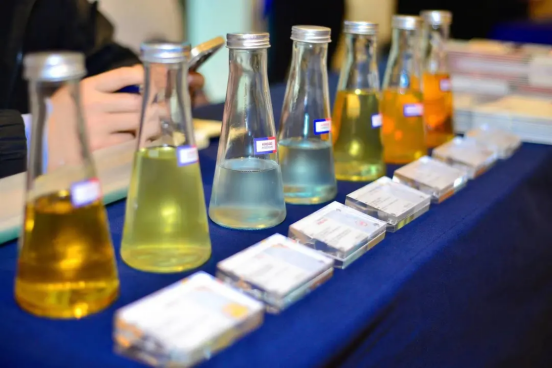
The holiday season brings unique challenges for industrial fluid maintenance. Neglecting proper care can lead to equipment damage, unexpected production delays, and costly repairs. You must prioritize maintenance to keep operations running smoothly and avoid setbacks when work resumes. Key steps like inspecting fluid quality, cleaning systems, and storing fluids correctly ensure your equipment stays in top condition. Preventative measures also help you avoid long-term issues, saving both time and money. By addressing these tasks before the holidays, you protect your operations and set the stage for a seamless post-holiday startup.
Why Holiday Maintenance is Critical
Risks of Neglecting Industrial Fluid Maintenance
Equipment damage due to degraded or contaminated fluids
Failing to maintain industrial fluids during the holidays can lead to severe equipment damage. Fluids degrade over time, especially when left unchecked during extended shutdowns. Contaminants like dirt, metal particles, or bacteria accumulate in the system, causing corrosion and wear on critical components. This damage reduces the lifespan of your machinery and increases the likelihood of costly repairs. Regular maintenance ensures that your equipment remains protected, even during downtime.
Production delays caused by unplanned downtime and fluid deterioration
Unplanned downtime disrupts production schedules and creates unnecessary stress when operations resume. Deteriorated fluids lose their effectiveness, leading to poor lubrication, overheating, or system failures. Restarting equipment with compromised fluids often results in additional delays as you address unexpected issues. By prioritizing industrial fluid maintenance before the holidays, you minimize the risk of downtime and ensure a smoother return to full production.
Benefits of Proactive Maintenance
Ensures smooth operations and prevents rancidity post-holidays
Proactive maintenance keeps your operations running efficiently. Properly maintained fluids resist rancidity, which often occurs during long shutdowns. Rancid fluids produce unpleasant odors and compromise system performance. Testing and cleaning fluids before the holiday break prevent these issues, allowing you to restart operations without complications. This approach saves time and ensures your equipment performs at its best.
Reduces long-term maintenance costs and improves fluid lifespan
Investing in maintenance now reduces long-term costs. Clean and well-maintained fluids last longer, reducing the frequency of replacements. Preventing contamination and degradation also lowers the need for extensive repairs. Over time, this approach saves money and enhances the overall efficiency of your operations. By extending the lifespan of your fluids, you create a more sustainable and cost-effective maintenance strategy.
Key Maintenance Steps for Industrial Fluids
Inspection and Testing
Importance of testing fluid quality and concentration levels before shutdown
Testing fluid quality before a holiday shutdown is essential. It helps you identify any issues that could worsen during downtime. Concentration levels must meet the manufacturer’s specifications to ensure optimal performance. Fluids with improper concentrations can lead to corrosion, reduced lubrication, or bacterial growth. By testing early, you can address these problems and maintain the integrity of your systems.
Identifying signs of contamination, degradation, or improper pH levels
Contaminated or degraded fluids harm your equipment. Look for signs like discoloration, foul odors, or unusual residue. These indicate contamination or fluid breakdown. Improper pH levels also signal potential issues. Use testing kits or professional services to measure pH and detect abnormalities. Identifying these signs allows you to take corrective action before they escalate.
Topping Off and Replenishment
Ensuring fluid levels are adequate for extended downtime
Low fluid levels during a shutdown can cause serious problems. Insufficient fluids expose system components to air, leading to oxidation and rust. Check all reservoirs and tanks to confirm levels are adequate. Refill as needed to prevent damage and ensure smooth operations when you restart.
Using manufacturer-recommended fluids and additives for replenishment
Always use fluids and additives recommended by the manufacturer. These products are designed to meet the specific needs of your equipment. Generic or incompatible fluids may compromise performance or cause damage. Follow the guidelines provided in your equipment manual to ensure proper replenishment.
Filtration and Cleaning
Removing contaminants to maintain fluid performance and prevent buildup
Contaminants like metal shavings, dirt, and bacteria accumulate in your systems over time. These impurities reduce fluid performance and increase wear on machinery. Use filtration systems to remove contaminants effectively. Regular filtration keeps your fluids clean and extends their lifespan.
Cleaning sumps and systems to avoid fluid rancidity during shutdown
Dirty sumps create an ideal environment for bacteria and rancidity. Before shutting down, clean all sumps and systems thoroughly. Remove sludge, debris, and old fluids. This step prevents unpleasant odors and ensures your fluids remain fresh and effective. Proper cleaning also reduces the risk of equipment damage when operations resume.
Storage Best Practices
Properly sealing and labeling fluid containers to prevent contamination
Sealing and labeling your fluid containers correctly is essential for maintaining their quality. Unsealed containers allow contaminants like dust, moisture, and airborne particles to enter, which can degrade the fluids. Use airtight lids or caps to ensure a secure seal. Double-check that all closures are tight before storing the containers.
Labeling each container clearly helps you avoid confusion during retrieval. Include details such as the fluid type, concentration level, and date of storage. This practice ensures you use the right fluid for the right application, reducing the risk of errors. Proper labeling also helps your team stay organized, especially during busy post-holiday startups.
Storing fluids in temperature-controlled environments to maintain quality
Temperature fluctuations can significantly impact the quality of your industrial fluids. Extreme heat accelerates fluid degradation, while freezing temperatures can cause separation or solidification. Store your fluids in a temperature-controlled environment to preserve their performance. Maintain a consistent temperature range recommended by the manufacturer.
Avoid placing containers near heat sources, direct sunlight, or areas prone to freezing. Use insulated storage rooms or climate-controlled cabinets if necessary. Monitoring the storage conditions regularly ensures your fluids remain in optimal condition, ready for use when operations resume. By following these best practices, you protect your investment and enhance the efficiency of your industrial fluid maintenance efforts.
Preventative Measures for Long-Term Efficiency
Scheduling Regular Maintenance
Establishing a maintenance calendar, including pre- and post-holiday inspections
Creating a maintenance calendar ensures you stay on top of essential tasks. Schedule inspections before and after the holiday season to identify potential issues early. Pre-holiday inspections help you address fluid quality, contamination, or equipment concerns before downtime begins. Post-holiday checks confirm that systems are ready for operation and prevent unexpected disruptions. A structured calendar keeps your maintenance routine consistent and reduces the risk of overlooking critical steps.
Conducting routine sump maintenance to prevent fluid deterioration
Routine sump maintenance plays a vital role in preserving fluid quality. Clean sumps regularly to remove sludge, debris, and contaminants that accumulate over time. Neglecting this step allows bacteria and other impurities to thrive, leading to fluid rancidity and system inefficiency. By maintaining clean sumps, you extend the lifespan of your fluids and protect your equipment from unnecessary wear. This practice ensures your industrial fluid maintenance efforts remain effective year-round.
Training Staff
Educating employees on fluid maintenance best practices and procedures
Well-trained employees contribute significantly to successful maintenance. Provide your team with clear instructions on fluid handling, testing, and storage. Teach them how to recognize signs of contamination or degradation. Equip them with the knowledge to perform basic maintenance tasks confidently. Regular training sessions ensure everyone understands their role in maintaining fluid quality and system performance.
Assigning responsibilities for holiday shutdown and startup processes
Assigning specific responsibilities streamlines holiday shutdown and startup procedures. Designate team members to oversee tasks like fluid testing, sump cleaning, and equipment inspections. Clear accountability reduces confusion and ensures all steps are completed efficiently. A well-organized team minimizes errors and helps you maintain operational readiness during and after the holiday season.
Using Monitoring Technology
Implementing sensors to track fluid quality, levels, and concentration
Modern monitoring technology simplifies fluid management. Install sensors to measure fluid quality, levels, and concentration in real time. These devices provide accurate data, allowing you to detect issues like contamination or improper concentrations immediately. Automated monitoring reduces manual effort and ensures your fluids remain within optimal parameters.
Leveraging data to predict maintenance needs and avoid surprises
Data-driven insights enhance your maintenance strategy. Use the information collected by sensors to predict when fluids need replenishment or filtration. Analyze trends to identify patterns that indicate potential problems. Proactive decision-making based on reliable data prevents unexpected failures and keeps your operations running smoothly. This approach optimizes your industrial fluid maintenance process and improves long-term efficiency.
Investing in Fluid Recycling Systems
Purifying and reusing metalworking fluids to reduce waste and costs
Recycling metalworking fluids offers a sustainable solution for your maintenance needs. By purifying and reusing these fluids, you significantly reduce waste and cut down on disposal costs. Recycling systems remove contaminants like oil, dirt, and metal particles, restoring the fluid to its optimal condition. This process ensures that your fluids remain effective for longer periods, minimizing the need for frequent replacements.
Adopting fluid recycling practices also aligns with environmental regulations. Many industries face strict guidelines on waste disposal. Recycling helps you comply with these standards while promoting eco-friendly operations. Additionally, reducing fluid waste lowers your overall environmental footprint, which enhances your company’s reputation as a responsible and sustainable business.
Enhancing fluid quality and performance through recycling technology
Recycling technology improves the quality and performance of your industrial fluids. Advanced systems use filtration, centrifugation, or chemical treatments to remove impurities and restore fluid properties. These methods ensure that your fluids maintain the correct concentration, pH levels, and lubrication capabilities. High-quality fluids protect your equipment from wear and corrosion, extending its lifespan and reducing maintenance costs.
Investing in recycling systems also boosts operational efficiency. Clean and well-maintained fluids enhance machining precision, reduce downtime, and improve overall productivity. You gain consistent performance from your equipment, which translates to better product quality and fewer disruptions. By leveraging recycling technology, you create a cost-effective and reliable maintenance strategy that supports long-term success.
Holiday industrial fluid maintenance plays a vital role in preventing downtime, ensuring operational efficiency, and avoiding costly repairs. By focusing on key steps like inspection, cleaning, storage, and preventative measures, you safeguard your equipment and streamline post-holiday operations. Prioritizing these tasks helps you maintain productivity and reduce unexpected disruptions. For unforeseen issues, emergency maintenance options provide additional support. Taking proactive steps now ensures your systems remain reliable and ready for the challenges ahead.
FAQ
What are industrial fluids, and why do they need maintenance?
Industrial fluids include coolants, lubricants, cutting fluids, and hydraulic oils used in machinery and manufacturing processes. These fluids degrade over time due to contamination, oxidation, or bacterial growth. Regular maintenance ensures they remain effective, protecting your equipment and maintaining operational efficiency.
How often should I inspect industrial fluids?
You should inspect industrial fluids regularly, with increased attention before and after extended shutdowns like holidays. Weekly or bi-weekly checks during normal operations help you identify issues early. Pre-holiday inspections ensure fluid quality, while post-holiday checks confirm readiness for startup.
What are the signs of fluid contamination or degradation?
Common signs include discoloration, foul odors, unusual residue, or changes in viscosity. Contaminated fluids may also show improper pH levels or reduced performance. Testing kits or professional services can help you detect these issues accurately.
Can I use any fluid for topping off or replenishment?
No, always use manufacturer-recommended fluids and additives. These products meet the specific requirements of your equipment. Using incompatible fluids can lead to poor performance, corrosion, or even equipment failure.
How do I prevent fluid rancidity during holiday shutdowns?
To prevent rancidity, clean sumps and systems thoroughly before the shutdown. Remove sludge, debris, and old fluids. Proper filtration and sealing of fluid containers also help maintain freshness. Store fluids in temperature-controlled environments to avoid degradation.
What is the importance of fluid recycling systems?
Fluid recycling systems purify and reuse industrial fluids, reducing waste and costs. These systems remove contaminants and restore fluid properties, extending their lifespan. Recycling also aligns with environmental regulations and promotes sustainable operations.
How can monitoring technology improve fluid maintenance?
Monitoring technology tracks fluid quality, levels, and concentration in real time. Sensors provide accurate data, helping you detect issues like contamination or improper concentrations immediately. This proactive approach reduces manual effort and prevents unexpected failures.
Should I train my staff on fluid maintenance?
Yes, training your staff ensures they understand best practices for handling, testing, and storing fluids. Educated employees can identify signs of contamination or degradation and perform basic maintenance tasks effectively. Assigning responsibilities also streamlines holiday shutdown and startup processes.
What are the risks of neglecting industrial fluid maintenance?
Neglecting maintenance can lead to equipment damage, production delays, and costly repairs. Contaminated or degraded fluids reduce system performance, causing wear and corrosion. Unplanned downtime disrupts schedules and increases operational costs.
Are emergency maintenance options available during holidays?
Yes, many service providers offer emergency maintenance support for unexpected issues during holidays. These services help you address urgent problems quickly, minimizing downtime and ensuring a smooth return to operations. Always keep contact information for reliable providers on hand.
Table of Contents
- Why Holiday Maintenance is Critical
- Key Maintenance Steps for Industrial Fluids
- Preventative Measures for Long-Term Efficiency
-
FAQ
- What are industrial fluids, and why do they need maintenance?
- How often should I inspect industrial fluids?
- What are the signs of fluid contamination or degradation?
- Can I use any fluid for topping off or replenishment?
- How do I prevent fluid rancidity during holiday shutdowns?
- What is the importance of fluid recycling systems?
- How can monitoring technology improve fluid maintenance?
- Should I train my staff on fluid maintenance?
- What are the risks of neglecting industrial fluid maintenance?
- Are emergency maintenance options available during holidays?