
 EN
EN
Understanding the Critical Impact of Metal Casting in Modern Manufacturing
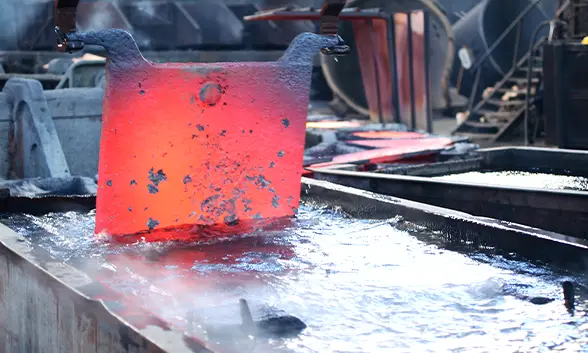
Metal casting serves as the backbone of modern industrial manufacturing, particularly in the automotive and aerospace sectors. This sophisticated manufacturing process, which involves pouring molten metal into precisely engineered molds, has evolved significantly since its ancient origins. Today, metal casting enables the production of complex components that power our vehicles and aircraft, combining traditional foundry techniques with cutting-edge technology to create parts that meet the exacting standards of these demanding industries.
The significance of metal casting in automotive and aerospace manufacturing cannot be overstated. From engine blocks to turbine blades, this versatile process creates components that must withstand extreme conditions while maintaining optimal performance. As industries push toward lighter, stronger, and more efficient parts, metal casting continues to adapt and innovate, offering solutions that meet these evolving demands.
Metal Casting Applications in the Automotive Industry
Essential Vehicle Components Produced Through Casting
The automotive industry relies heavily on metal casting for producing numerous critical components. Engine blocks, cylinder heads, and transmission cases form the core applications, where casting provides the perfect balance of strength and complexity. These components require precise dimensional accuracy and internal passages that would be impossible or prohibitively expensive to manufacture through other methods.
Brake components, including calipers and rotors, also depend on metal casting processes. The ability to create complex geometric shapes while maintaining structural integrity makes casting ideal for these safety-critical parts. Additionally, suspension components, wheel hubs, and differential housings are commonly produced through various casting methods, each optimized for specific performance requirements.
Advanced Casting Techniques in Modern Vehicle Production
Modern automotive manufacturing employs sophisticated casting techniques to meet increasing demands for efficiency and performance. High-pressure die casting has revolutionized the production of lightweight aluminum components, enabling the creation of thin-walled parts that contribute to overall vehicle weight reduction. This advancement directly supports the industry's push toward improved fuel efficiency and reduced emissions.
Lost foam casting and semi-solid casting processes have emerged as innovative solutions for producing complex automotive parts with enhanced mechanical properties. These techniques allow for the creation of components with improved strength-to-weight ratios and superior surface finishes, meeting the exacting standards of modern vehicle design.
Aerospace Applications and Specialized Casting Methods
Critical Aircraft Components and Engine Parts
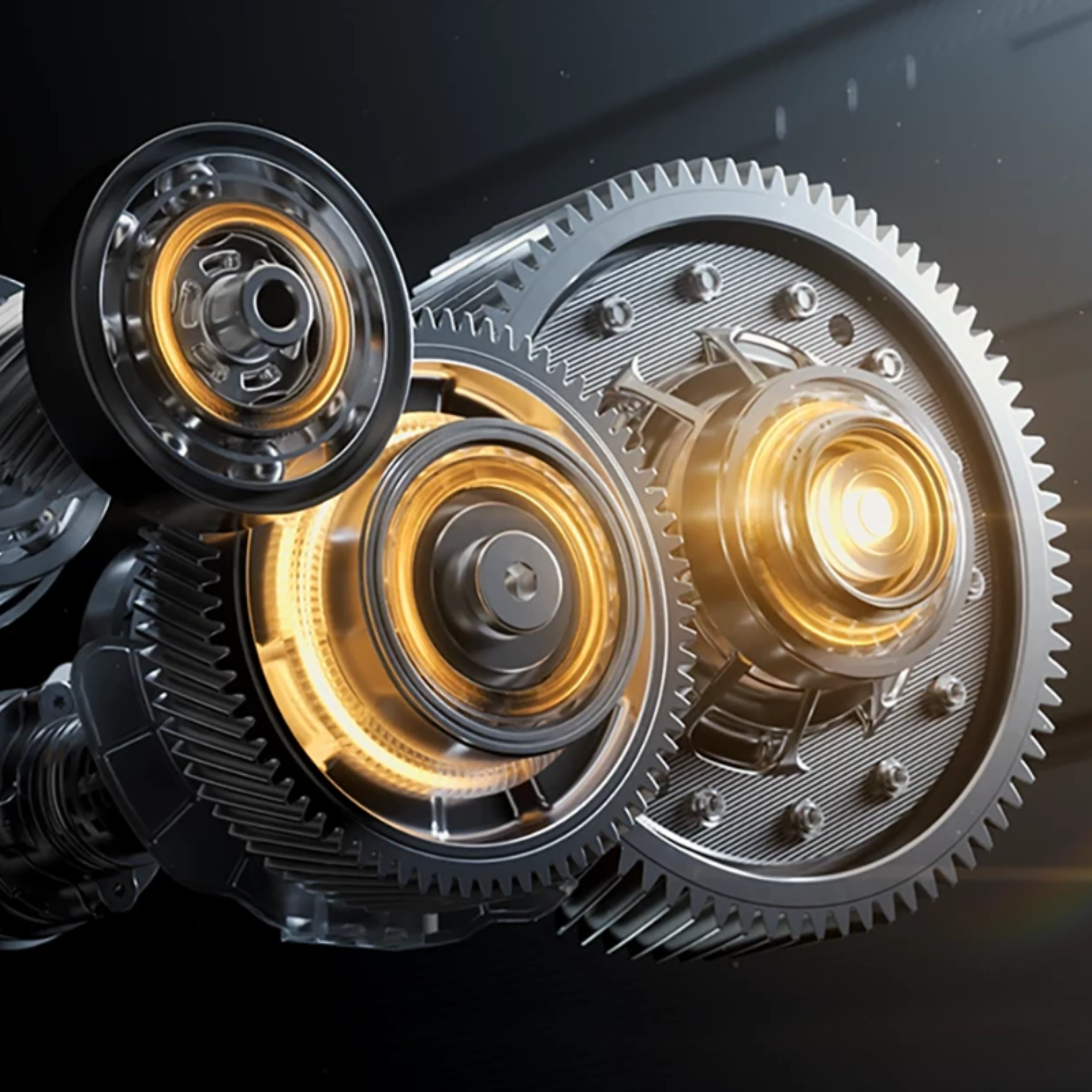
The aerospace industry demands the highest levels of precision and reliability in metal casting, particularly for engine components and structural elements. Turbine blades, compressor housings, and combustion chambers require specialized casting techniques to ensure they can withstand extreme temperatures and stresses. Investment casting, often called lost-wax casting, plays a crucial role in producing these complex, high-performance parts.
Structural components such as landing gear assemblies, wing attachments, and fuselage sections also benefit from advanced casting methods. These parts must combine lightweight properties with exceptional strength, making the selection of appropriate casting processes and materials critical to their success.
Innovation in Aerospace Casting Technology
Technological advancements in aerospace casting continue to push the boundaries of what's possible in aircraft manufacturing. Directional solidification and single crystal casting techniques have revolutionized the production of turbine blades, enabling them to operate at higher temperatures with improved efficiency. These specialized processes create components with aligned grain structures that exhibit superior mechanical properties.
The integration of computational modeling and simulation in aerospace casting has led to significant improvements in part design and process optimization. These tools allow engineers to predict and eliminate potential defects before production, ensuring consistently high-quality components while reducing development time and costs.
Quality Control and Material Innovation
Advanced Testing and Inspection Methods
The critical nature of automotive and aerospace components demands rigorous quality control measures throughout the casting process. Non-destructive testing methods, including X-ray inspection, ultrasonic testing, and computed tomography scanning, ensure the internal integrity of cast parts. These sophisticated inspection techniques can detect microscopic flaws that could compromise component performance.
Real-time monitoring systems and automated inspection equipment have become standard in modern casting facilities. These systems track crucial parameters such as temperature, pressure, and cooling rates, ensuring consistency and reliability in the production process. The implementation of statistical process control methods further enhances quality assurance efforts.
Material Developments and Future Trends
The ongoing development of new alloys and composite materials continues to expand the capabilities of metal casting. Advanced aluminum and titanium alloys offer improved strength-to-weight ratios, while new magnesium formulations provide opportunities for further weight reduction. These materials innovations directly support the industries' goals for improved performance and efficiency.
Sustainable casting practices and environmentally friendly materials are becoming increasingly important. The development of recyclable alloys and energy-efficient casting processes demonstrates the industry's commitment to reducing environmental impact while maintaining high performance standards.
Frequently Asked Questions
What are the main advantages of metal casting in vehicle manufacturing?
Metal casting offers several key benefits in vehicle manufacturing, including the ability to produce complex geometries, excellent strength-to-weight ratios, and cost-effective production for high-volume components. It also allows for the integration of internal features and passages that would be difficult or impossible to create through other manufacturing methods.
How does aerospace casting differ from automotive casting?
Aerospace casting typically involves more stringent quality control requirements, higher-performance materials, and more specialized processes than automotive casting. The components often need to withstand more extreme conditions and require advanced techniques like directional solidification or single crystal casting to meet performance specifications.
What role does sustainability play in modern metal casting?
Sustainability has become increasingly important in metal casting operations, focusing on energy efficiency, material recycling, and waste reduction. Modern foundries implement green technologies and processes to minimize environmental impact while maintaining high-quality standards and meeting production demands.

