
 EN
EN
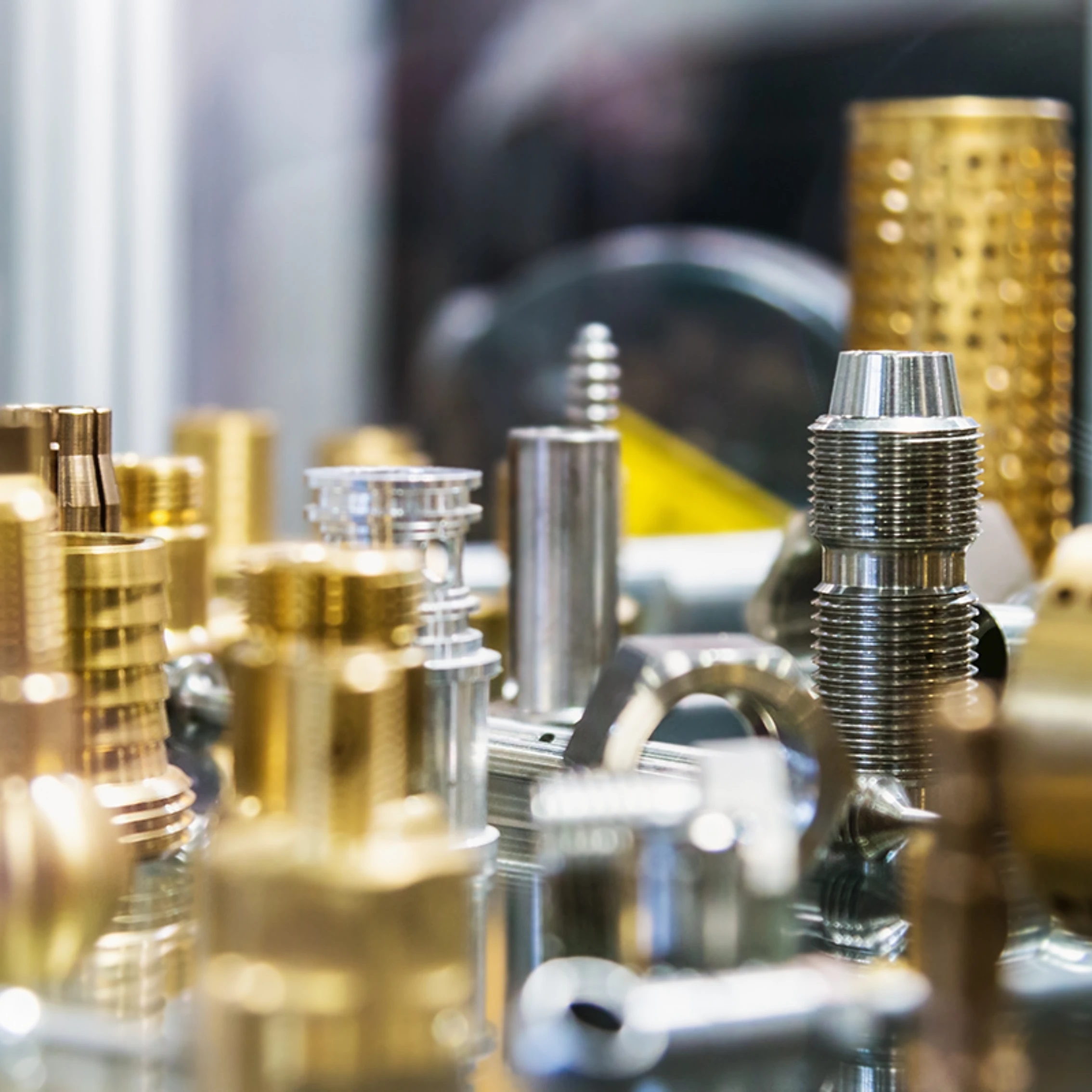
Understanding the Essential Elements of Metal Casting Selection
The manufacturing industry relies heavily on metal casting to produce components of varying complexity and size. Selecting the right metal casting method can significantly impact product quality, cost-effectiveness, and production efficiency. With numerous casting techniques available today, manufacturers must carefully evaluate several critical factors to determine the most suitable approach for their specific requirements.
Metal casting remains one of the most versatile manufacturing processes, enabling the creation of intricate parts that would be difficult or impossible to produce through other methods. Whether you're developing prototype components or planning large-scale production runs, understanding the key considerations in choosing a metal casting method will help ensure optimal results.
Material Properties and Casting Requirements
Metal Type and Characteristics
The physical and chemical properties of the metal being cast play a crucial role in determining the appropriate casting method. Different metals exhibit varying melting points, fluidity, and solidification characteristics. For instance, aluminum alloys typically require different casting approaches compared to steel or iron due to their lower melting points and superior fluidity.
Consider factors such as thermal conductivity, shrinkage rates, and susceptibility to oxidation when evaluating potential casting methods. Some metals may be better suited to specific processes based on their inherent properties and behavior during the casting process.
Part Geometry and Complexity
The design complexity of the component significantly influences the selection of a metal casting method. Intricate shapes with thin walls, internal cavities, or complex cores may require specialized casting techniques to ensure proper metal flow and solidification. Methods like investment casting excel at producing detailed components with tight tolerances, while sand casting might be more appropriate for larger, simpler shapes.
Evaluate features such as undercuts, draft angles, and surface finish requirements when determining the most suitable casting process. Some methods offer greater design flexibility but may come with additional cost or production time considerations.
Production Volume and Economic Considerations
Batch Size and Production Runs
The anticipated production volume significantly impacts the choice of metal casting method. Some processes are better suited for high-volume manufacturing, while others are more cost-effective for smaller batch sizes or prototype production. Die casting, for example, requires substantial initial tooling investment but becomes economical for large production runs due to its high efficiency and repeatability.
Consider both immediate production needs and potential future scaling requirements when selecting a casting method. This forward-thinking approach helps avoid costly process changes as production demands evolve.
Cost Analysis and ROI
Each metal casting method comes with its own cost structure, including tooling, labor, material, and operational expenses. Initial setup costs, cycle times, and scrap rates all factor into the overall economic equation. Investment casting might have higher tooling costs but could provide better material utilization and reduced finishing requirements.
A comprehensive cost analysis should consider the entire production lifecycle, including secondary operations, quality control measures, and maintenance requirements. This helps ensure the selected method aligns with budget constraints while meeting quality objectives.
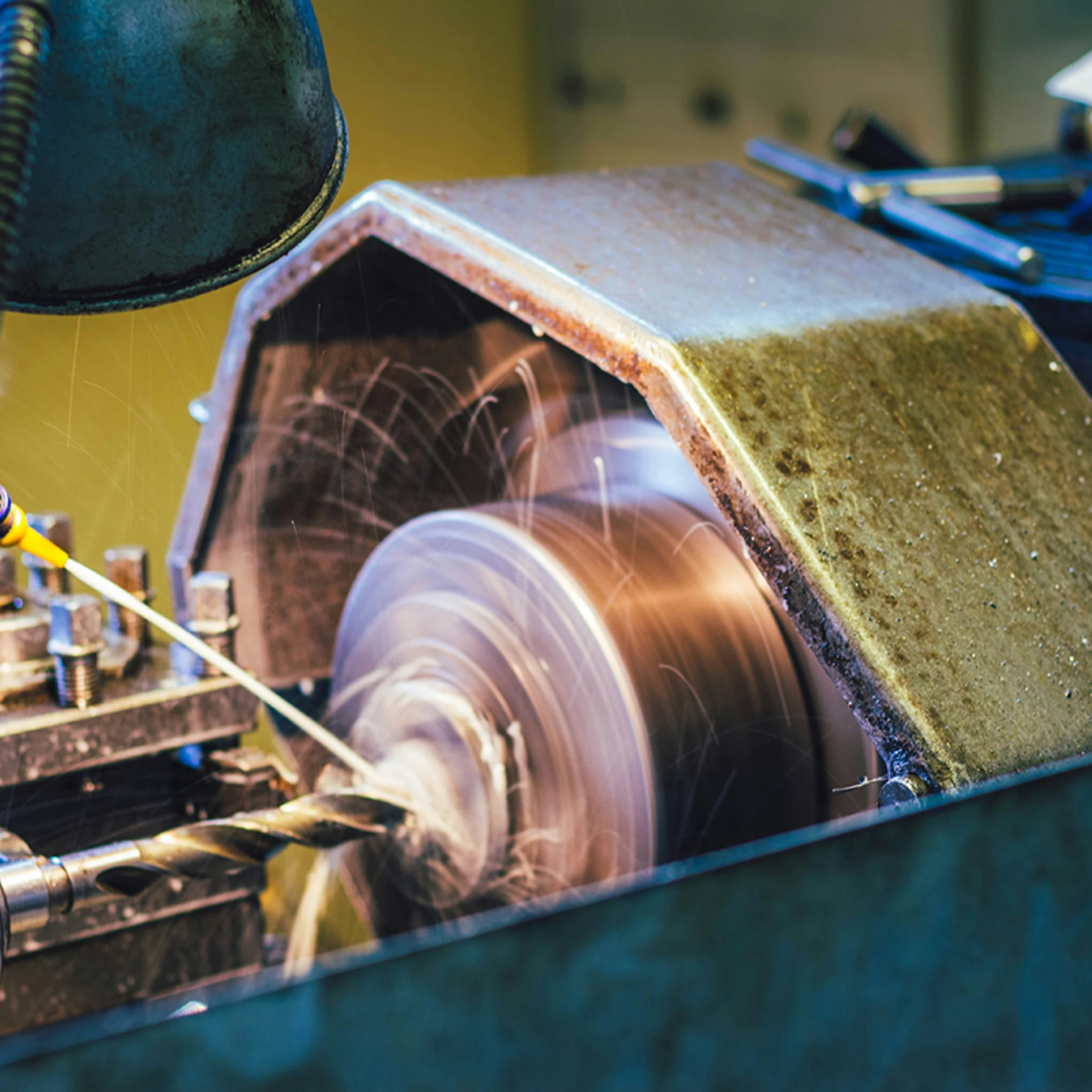
Quality Standards and Technical Specifications
Surface Finish and Dimensional Accuracy
Different metal casting methods yield varying levels of surface finish and dimensional accuracy. Some applications may require extremely smooth surfaces or tight tolerances that can only be achieved through specific casting processes. For instance, permanent mold casting typically produces better surface finishes than sand casting but may have limitations on part size and complexity.
Consider post-casting finishing requirements and their associated costs when evaluating different methods. Some processes may reduce or eliminate the need for extensive machining or surface treatment, potentially offsetting higher initial casting costs.
Mechanical Properties and Integrity
The chosen metal casting method can significantly impact the mechanical properties and structural integrity of the final component. Factors such as porosity, grain structure, and internal defects vary between different casting processes. Some methods provide better control over solidification rates and metal flow, resulting in superior mechanical properties.
Consider the intended application's stress requirements, operating conditions, and safety factors when selecting a casting method. Certain processes may be better suited for producing components that require high strength, wear resistance, or specific microstructural characteristics.
Production Environment and Equipment Requirements
Facility Considerations
Different metal casting methods require varying levels of infrastructure and environmental controls. Some processes need specialized equipment, ventilation systems, or temperature-controlled environments. The available facility space and existing infrastructure may influence the feasibility of certain casting methods.
Consider factors such as power requirements, waste handling capabilities, and environmental regulations when evaluating casting options. Some methods may require significant facility modifications or additional permits to implement properly.
Workforce Expertise and Training
The complexity and technical requirements of different casting methods vary significantly. Some processes demand highly skilled operators and extensive training programs, while others may be more automated and require less specialized expertise. Consider the availability of skilled workers and the training investment needed for each casting method.
Evaluate the long-term sustainability of maintaining the necessary workforce expertise for each casting option. Some methods may require ongoing training and certification programs to ensure consistent quality and operational efficiency.
Frequently Asked Questions
How does metal casting method selection impact production costs?
The choice of metal casting method significantly influences various cost factors, including initial tooling investment, material utilization, labor requirements, and production efficiency. Some methods may have higher startup costs but lower per-unit costs at higher volumes, while others might be more economical for smaller production runs.
What role does part size play in choosing a casting method?
Part size is a critical factor as different casting methods have varying size limitations and optimal ranges. Larger parts may require methods like sand casting, while smaller, more intricate components might be better suited to investment casting or die casting. The relationship between part size and casting method also affects factors such as equipment requirements and handling procedures.
How do environmental regulations affect casting method selection?
Environmental regulations can significantly impact the viability of different casting methods. Factors such as emissions control, waste management, and energy efficiency requirements may favor certain processes over others. Modern casting operations must consider environmental compliance costs and sustainability goals when selecting appropriate methods.

