In the world of precision gears, tooth surface burn is a hidden but critical challenge. It not only weakens the fatigue strength of components but also directly threatens the service life and safety of transmission systems.
Especially for high-speed gears used in new energy vehicles (NEVs), the increasingly strict requirements for noise control and reliability make grinding burn a major obstacle on the path toward mass production.
Not long ago, we received a “request for help” from a frontline production site.
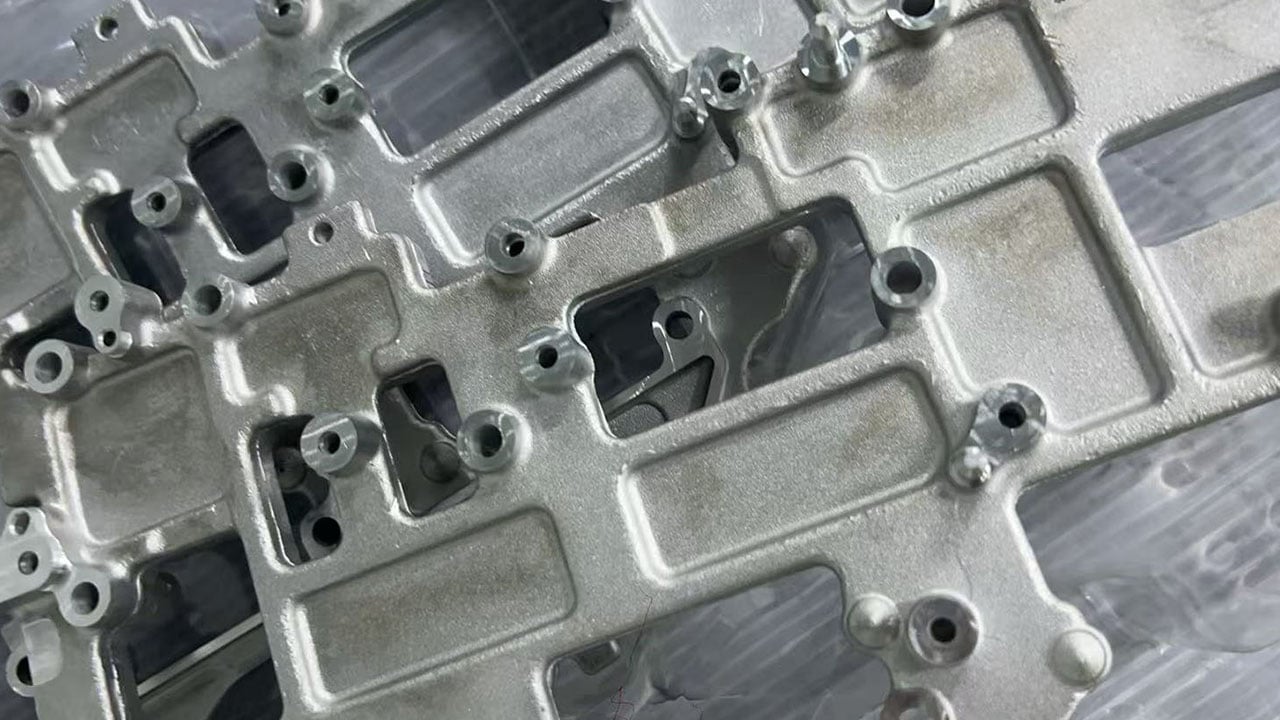
At the gear grinding production line of a new energy vehicle customer, the atmosphere was tense. During the commissioning of critical gear components on a high-end Swiss gear grinding machine, repeated tooth surface burning issues occurred on the intermediate shaft and input shaft gears.
Under the existing combination of grinding wheel, process parameters, and grinding oil, the burn rating reached as high as FD3.
Engineers continuously adjusted the machining parameters but found themselves trapped in a dilemma:
Maintaining quality meant sacrificing efficiency, while maintaining efficiency compromised quality.
Breaking this deadlock became an urgent challenge.
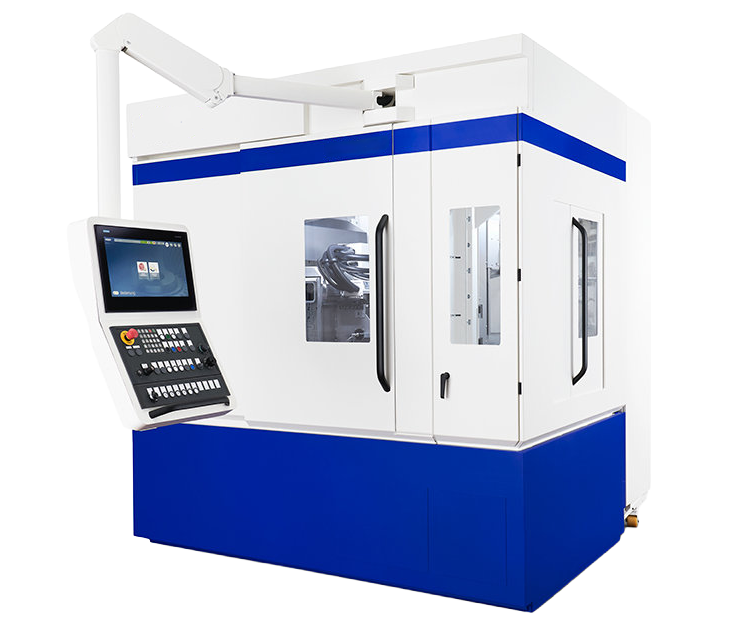
After receiving the request, we did not simply replace the grinding oil. Instead, we worked together with experts from an international grinding wheel manufacturer in France and conducted an in-depth analysis at the customer’s site.
A consensus was reached:
Grinding quality cannot rely on assumptions — it must be driven by data.
We introduced a digital grinding monitoring and analysis system, which worked like a “stethoscope” installed on the machine tool.
Abnormal fluctuations in grinding power are one of the most sensitive early indicators of thermal damage.
By analyzing the power curve, we identified the root cause of grinding burns — excessive heat input during the grinding process.
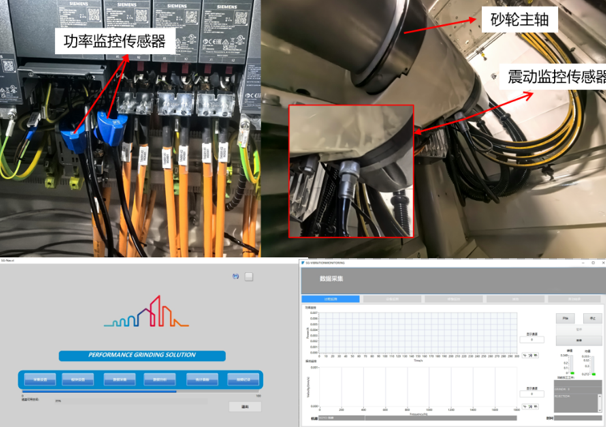
To meet the strict noise requirements of new energy vehicles, we performed spindle vibration order analysis to accurately identify grinding wheel conditions and potential chatter risks, enabling proactive NVH control from the source.
The investigation confirmed that the machine itself was operating normally.
The core issue was that the grinding wheel cutting performance, process parameters, and lubricant performance had failed to work together effectively.
After identifying the root causes, we implemented a precise three-in-one optimization strategy:
A high-performance grinding wheel with superior cutting ability was introduced.
Its excellent cutting edge retention and chip removal performance significantly reduced heat accumulation during grinding.
Based on grinding force analysis and tooth profile/tooth lead accuracy requirements, we customized the dressing process to ensure that every abrasive grain delivered optimal performance.
A high-performance KERUN gear grinding oil was introduced to ensure stable formation of an extreme-pressure lubrication film.
While effectively removing heat, it also provided continuous protection for the gear tooth surface.
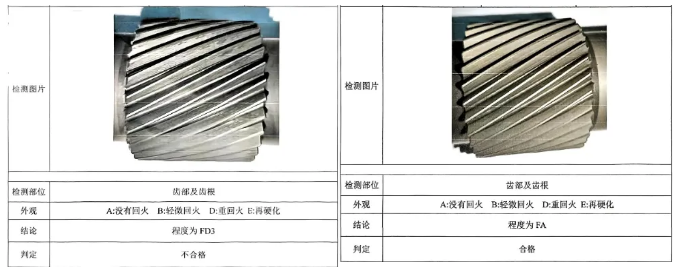
Figure | Input Shaft Burn Rating Changes Before and After Optimization
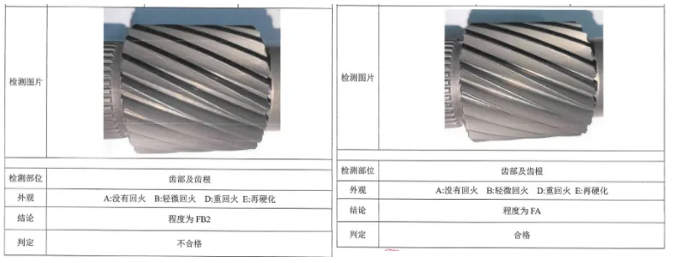
Figure | Intermediate Shaft Burn Rating Changes Before and After Optimization
The improvement was immediate.
Under the same machining conditions:
More importantly, during subsequent mass production, we continuously monitored the first, middle, and final workpieces of each production batch.
The grinding burn level remained consistently stable at FA grade throughout the entire production process.
Beyond solving the current quality issue, the optimized solution demonstrated significant future potential.
During extreme testing with the grinding wheel speed increased to 5000 rpm (peripheral speed 72 m/s), the gears still maintained FA-level burn-free performance, while tooth profile and tooth lead accuracy fully met the required standards.
This not only solved the customer’s immediate quality challenge but also created valuable process capacity for future production expansion.
At Nanjing KERUN, industrial fluids are more than chemical products.
They serve as a critical link connecting equipment performance, manufacturing processes, and product quality.
Moving forward, we will continue working together with industry partners, delivering integrated technical solutions to help more manufacturers overcome production challenges — enabling Chinese gear manufacturing to achieve greater stability, efficiency, and long-term development.


 EN
EN